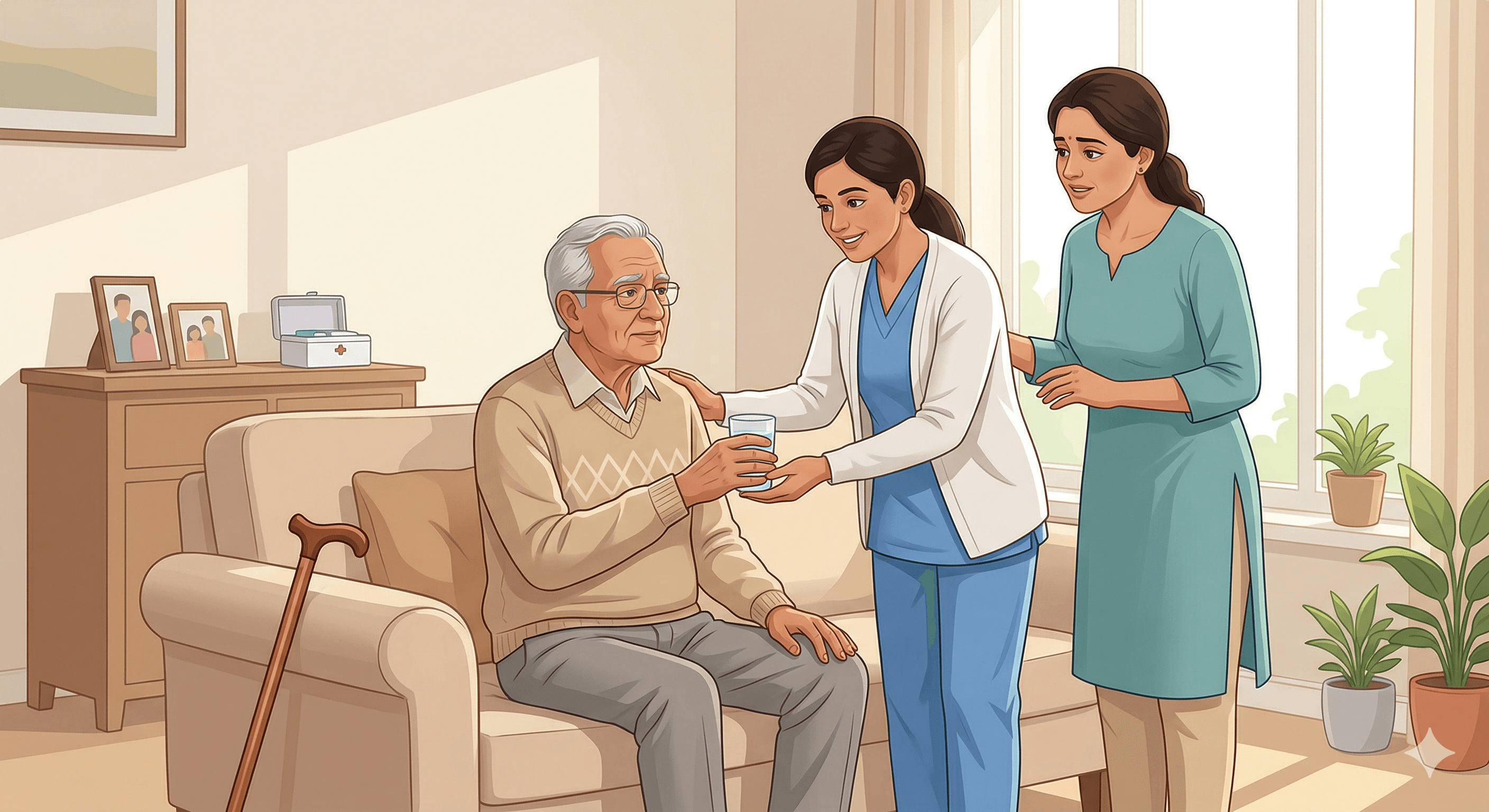
The unspoken worry: when aging parents need a little more help
It often starts with a small, unsettling observation. During a phone call, your mother repeats a story she just told you. Or when you visit, you notice your father’s clothes are stained, and he seems to have lost weight. These moments whisper a question many of us dread: is it time for more help? Recognizing the need for a home caregiver isn't about taking away independence, it's about preserving it safely.
The signs can be subtle, easy to dismiss as just a normal part of aging. But ignoring them can lead to preventable accidents or health crises. This guide will walk you through the ten key indicators that professional support might be necessary. Acknowledging these signs your parent may need a caregiver is the first step toward ensuring their well-being and your own peace of mind.
Understanding the role of a home caregiver: more than just assistance
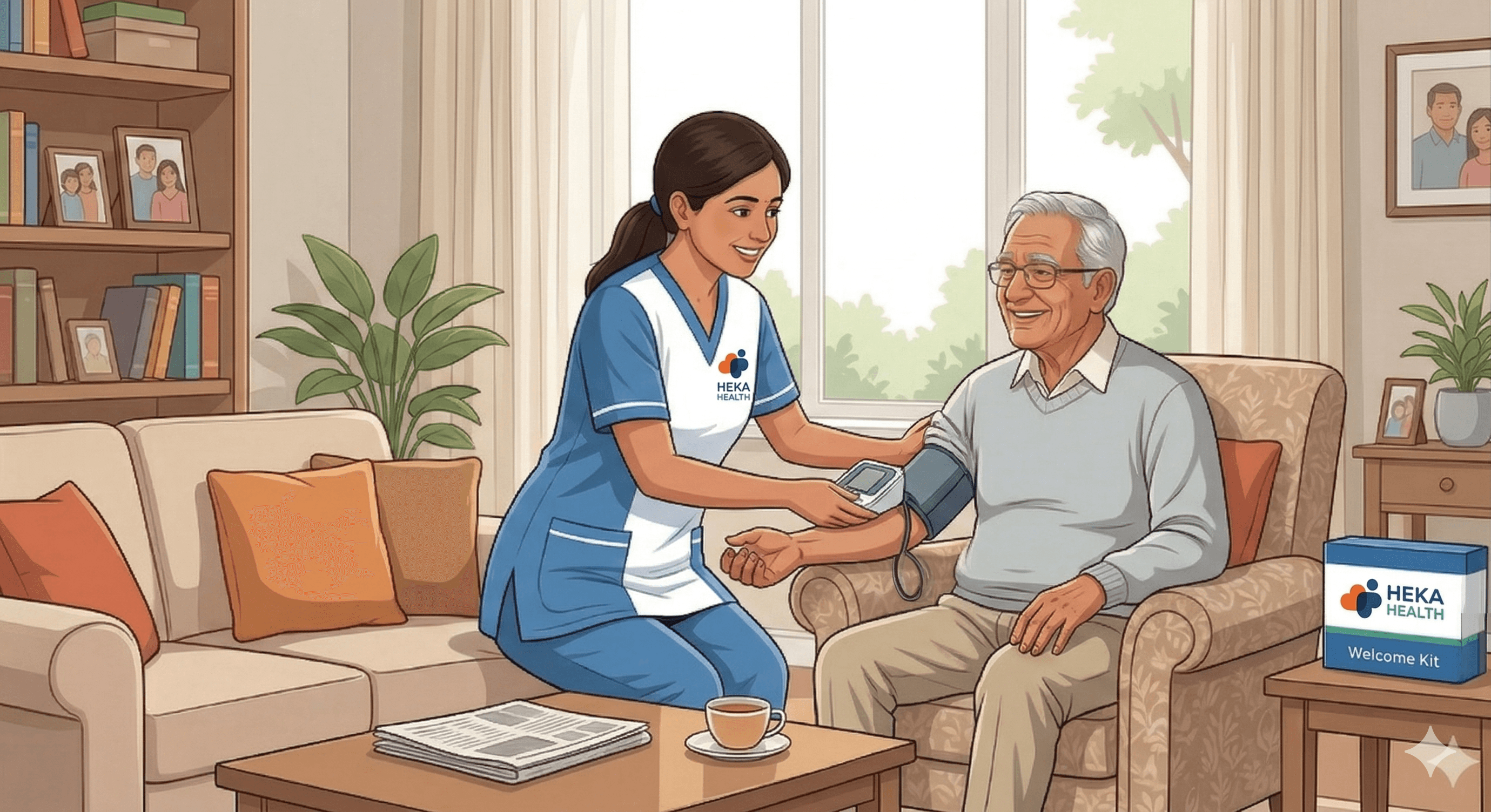
A home caregiver is a trained professional who provides personalized support to help individuals maintain their safety, comfort, and independence at home. Far from being just a helper, a caregiver is a partner in daily life, offering a spectrum of services from companionship and personal assistance to skilled medical care, all designed to preserve dignity.
Defining home care: a spectrum of professional support
Home care includes a wide range of services, from basic companionship to skilled nursing and specialized therapies. The primary goal is to maintain a person's quality of life in the familiar comfort of their own home, avoiding the need for a hospital or facility. This approach is centered on the idea that elderly care at home is important for both physical and emotional health. The care plan is flexible and adapts to your parent's specific needs, whether they require a few hours of help each day or 24/7 support.
Different types of support: from daily tasks to medical needs
Home care support is not one-size-fits-all; it's tailored to specific needs, ranging from attendant care for daily activities to skilled nursing for medical requirements. Specialized services like physiotherapy or even professional Japa care for new mothers are also available. Understanding these distinctions helps you find the right level of support.
Here’s a simple breakdown of the different types of care:
Care Professional | Primary Focus | Common Tasks |
|---|---|---|
Attendant | Activities of Daily Living (ADLs) | Bathing, dressing, feeding, mobility support, companionship. |
Nurse | Skilled Medical Care | Medication management, injections, wound care, vital signs monitoring. |
Physiotherapist | Rehabilitation & Mobility | Post-surgery exercises, strength training, balance improvement. |
For instance, an attendant can help your father with his morning routine, while a nurse would manage his diabetes medication. If he's recovering from surgery, a physiotherapist can guide him through knee replacement rehab at home.
Subtle shifts: recognizing the early signs at home
The need for a home caregiver often reveals itself through a pattern of subtle changes in physical health, cognitive function, and daily habits. These ten signs are critical indicators that your parent may no longer be able to live safely and comfortably without professional assistance. Paying attention to these shifts allows you to act proactively.
Changes in physical health and mobility
Physical decline is one of the most visible indicators that extra support is needed. These signs often create a domino effect, where one problem leads to another, increasing the risk of a serious health event.
Sign 1: Frequent falls or unsteadiness Have you noticed unexplained bruises on your parent? Do they seem fearful of walking or mention "close calls" with falling? Falls are a leading cause of injury for seniors. A single fall can shatter confidence and lead to a sedentary lifestyle, which ironically increases future fall risk. A caregiver provides mobility support and ensures a safer environment.
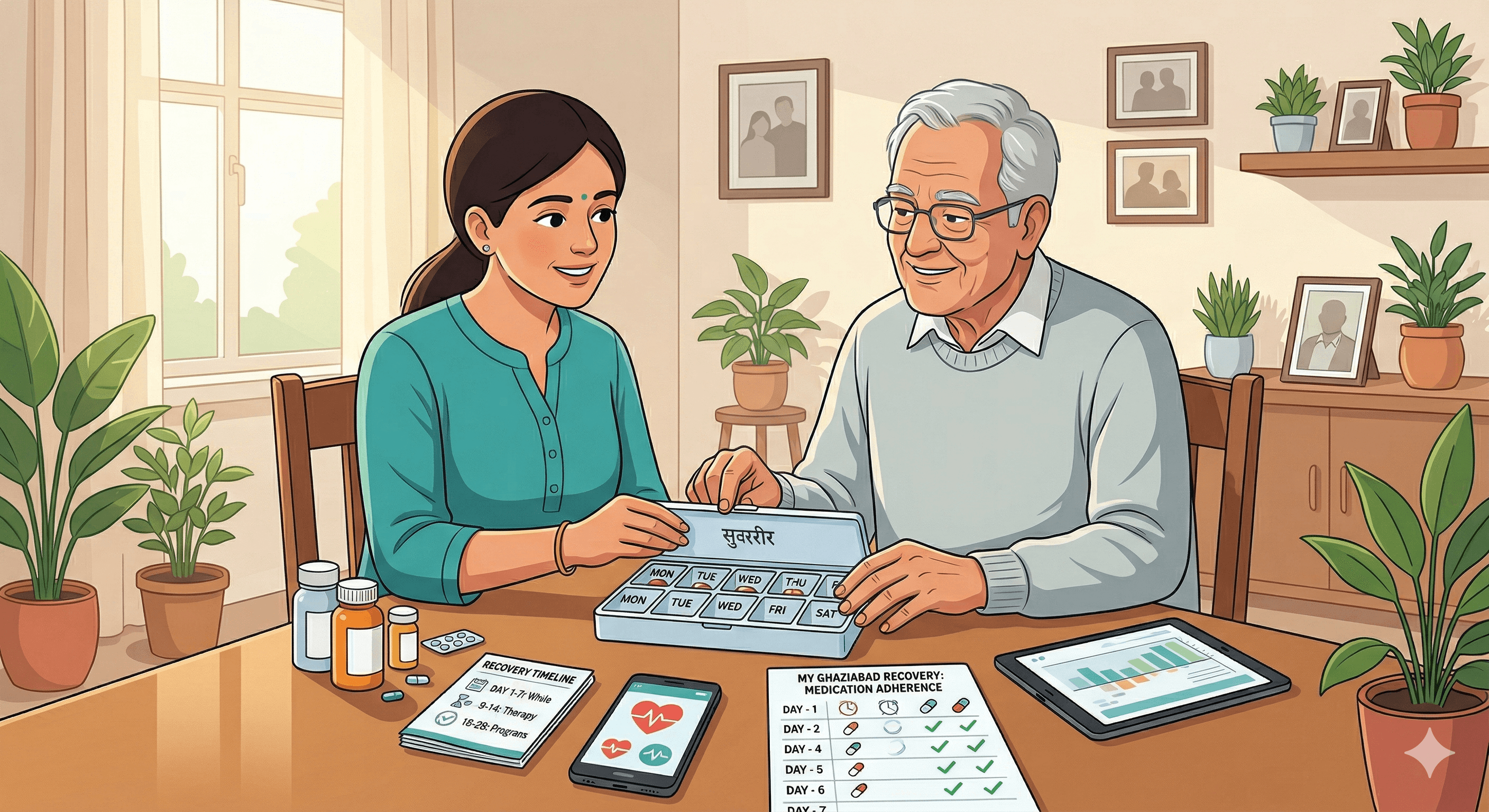
Sign 2: Difficulty with medication management Finding expired medications, or seeing pill organizers that are either too full or empty, is a major red flag. Medication errors are incredibly common and dangerous. A trained caregiver can bring order to complex medication schedules, ensuring doses are taken correctly and on time, preventing harmful mistakes.
Sign 3: Unexplained weight loss or poor nutrition An empty refrigerator, spoiled food, or noticeable weight loss can signal that your parent is struggling with meals. They may have difficulty cooking, forget to eat, or lack the energy to shop for groceries. A caregiver ensures they receive regular, nutritious meals, which is vital for maintaining strength and cognitive function.
Sign 4: Neglect of personal hygiene A decline in personal grooming, such as body odor, unkempt hair, or wearing dirty clothes, often indicates a problem. It may not be a choice but a result of physical limitations. For example, fear of falling can make bathing a terrifying experience, and arthritis can make dressing difficult. A caregiver can assist with these tasks respectfully, preserving your parent's dignity.
Sign 5: Worsening of chronic conditions If your parent’s well-managed diabetes or hypertension is suddenly out of control, it suggests they are struggling with the daily demands of their condition. Consistent monitoring and adherence are key to managing chronic illness. Professional home nursing for chronic illness ensures these conditions are properly managed, preventing complications.
Cognitive and emotional indicators
Changes in your parent's mood, memory, and social behavior can be just as telling as physical signs. These shifts may point to underlying issues like depression, loneliness, or cognitive decline.
Sign 6: Memory lapses and confusion Forgetting appointments, getting lost in familiar neighborhoods, or asking the same question repeatedly are signs of cognitive change that affect safety. While some forgetfulness is normal, significant lapses that interfere with daily life, like forgetting to turn off the stove, require professional supervision.
Sign 7: Behavioral changes or mood swings A sudden shift in personality, like a once-social parent becoming withdrawn or a calm person becoming irritable, warrants attention. These changes can be symptoms of depression, undiagnosed pain, or frustration with their own limitations. A compassionate caregiver can provide emotional support and help identify the root cause.
Sign 8: Social isolation Is your parent turning down invitations from friends or losing interest in their favorite hobbies? Social isolation is a serious health risk for seniors, linked to faster cognitive decline and higher mortality rates. A caregiver offers more than just physical help; they provide companionship, conversation, and a vital link to the outside world.
Neglect of personal hygiene and household tasks
A deteriorating home environment is a clear sign that your parent is overwhelmed. When basic tasks become too difficult, it impacts both their quality of life and their safety.
Sign 9: An unkempt home environment Piles of mail, a cluttered living space, accumulated dirt, or unpaid bills are signs that household management has become too much to handle. A messy home is not just an aesthetic issue; it's a safety hazard that increases the risk of falls, fires, and illness. A caregiver can help with light housekeeping and organization.
Sign 10: Difficulty with daily tasks Struggling with Activities of Daily Living (ADLs) like bathing, dressing, and eating is a fundamental sign that independence is compromised. When these essential tasks become a daily battle, professional support is no longer just helpful, it's necessary for your parent to continue living at home safely.
The hidden toll: when family caregiving becomes unsustainable
The need for professional care is often as much about the family as it is about the parent. When family members become the primary caregivers, the physical and emotional strain can lead to burnout, damaging relationships and their own health. Recognizing this is key to finding a sustainable, long-term solution for everyone.
Recognizing caregiver burnout in yourself or siblings
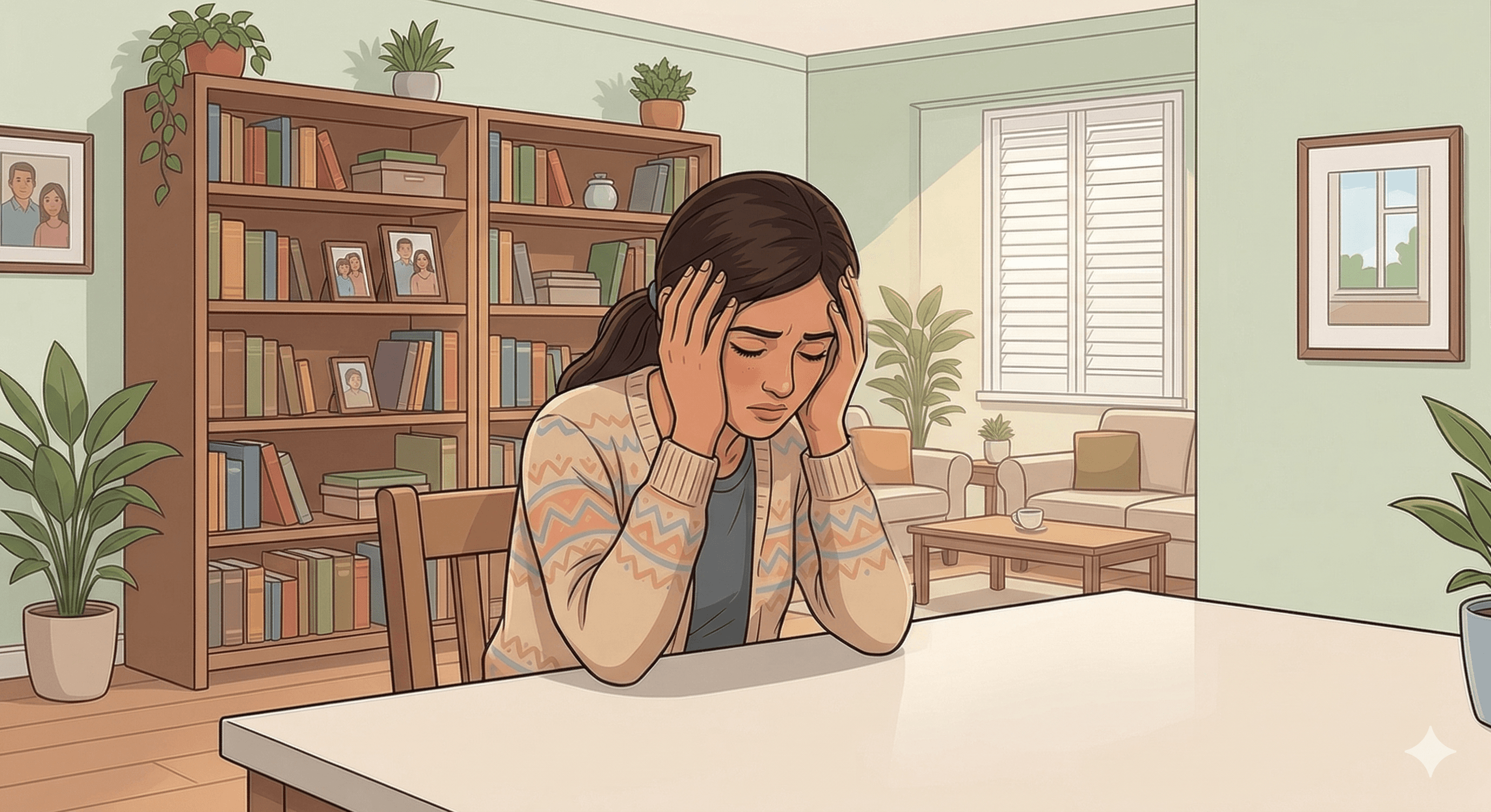
Are you constantly exhausted, stressed, or feeling resentful? Do you feel guilty when you're with your parent and guilty when you're not? These are classic symptoms of caregiver burnout. Trying to juggle your own life, career, and family while managing a parent's complete care is an impossible task for one person to do alone.
The emotional and practical benefits of professional support
Hiring a professional caregiver allows you to step back from being a care manager and return to being a son or daughter. It frees you from the logistical burdens of bathing and medication schedules, so you can focus on providing emotional support and enjoying quality time together. This is a key benefit of professional home healthcare vs hospital stays, as it keeps the family unit connected in a positive way.
Taking the next step: initiating conversations and finding the right fit
Once you've recognized the signs, the next step is to take action. This involves having a sensitive conversation with your parent and finding a trustworthy care provider that fits their needs and personality. With the right approach, you can make this transition a positive one that enhances your parent's life.
Approaching the conversation with your loved ones
Choose a calm moment and start the conversation with empathy. Frame it as a way to support their independence, not take it away. For example, say, "I noticed you're having a tough time with the stairs. I was thinking some help at home could make things safer so you can keep living here." Listen to their fears and involve them in the decision-making process as much as possible.
What to look for in a home care provider
When choosing an agency, ask about their screening and training process for caregivers. A reputable provider should offer transparency in pricing, flexibility in care plans, and a guarantee for caregiver replacement. Inquire about their range of services, including whether they can assist with things like medical equipment rentals to save money, to ensure they can meet all your needs.
Heka Health's approach to trusted, family-like care
At Heka Health, we believe care should feel like family. Our approach is built on 'Heartfelt Trust' and 'Expert Hands.' We ensure this through a rigorous vetting process for all our caregivers, who are chosen for both their skills and their compassion.
We understand that needs can be urgent, which is why we offer a 4-hour hiring process to get support in place quickly. Our replacement guarantee ensures you find the perfect personality match for your loved one, and our 24/7 support means help is always just a phone call away. We handle the logistics so you can focus on what truly matters: your family.
Conclusion: Ensuring comfort and dignity at home
Recognizing that your elderly parents need help is an act of love and responsibility. By identifying the warning signs early and seeking professional home care, you can prevent crises, preserve their independence, and ensure they live with dignity in the comfort of their own home.
Don't wait for a fall or a medical emergency to force your hand. If you see these signs in your parents, it's time to start the conversation. The right home caregiver doesn't replace you; they support you, handling the daily tasks so you can be a loving, present child instead of an exhausted caregiver.
Ready to explore your options? Reach out to Heka Health for a compassionate, no-obligation consultation. Let us help you find the right support for your family.
Frequently asked questions
How do I talk to my elderly parent about needing a home caregiver?
Approach the conversation with empathy during a calm, private moment. Focus on how a caregiver can help them stay safe and comfortable in their own home, rather than emphasizing their limitations. Involve them in the decision-making process and listen to their concerns about independence.
What's the difference between an attendant and a nurse in home care?
Attendants assist with non-medical activities of daily living, such as bathing, dressing, feeding, and mobility. Nurses provide skilled medical care, including administering medication, wound care, injections, and monitoring vital signs.
How quickly can Heka Health provide a caregiver?
Heka Health offers a fast hiring process, often matching you with a trained and vetted caregiver within just 4 hours of your request. This ensures your loved one gets the support they need without delay.
What if the first caregiver isn't a good fit?
We understand that personality fit is crucial. Heka Health provides a replacement guarantee to ensure you find the right match for your loved one's needs and temperament, ensuring a comfortable and positive care experience.
Is home care more expensive than other options?
Home care can be a very cost-effective solution, especially when you consider the personalized, one-on-one attention and the immense emotional benefit of aging in place. Heka Health offers flexible weekly, monthly, or full payment options to fit your family's budget.
Your well-being
is our priority.
Together, let's navigate every step
with care and compassion.

Your well-being
is our priority.
Together, let's navigate every step
with care and compassion.
Your well-being
is our priority.
Together, let's navigate every step
with care and compassion.