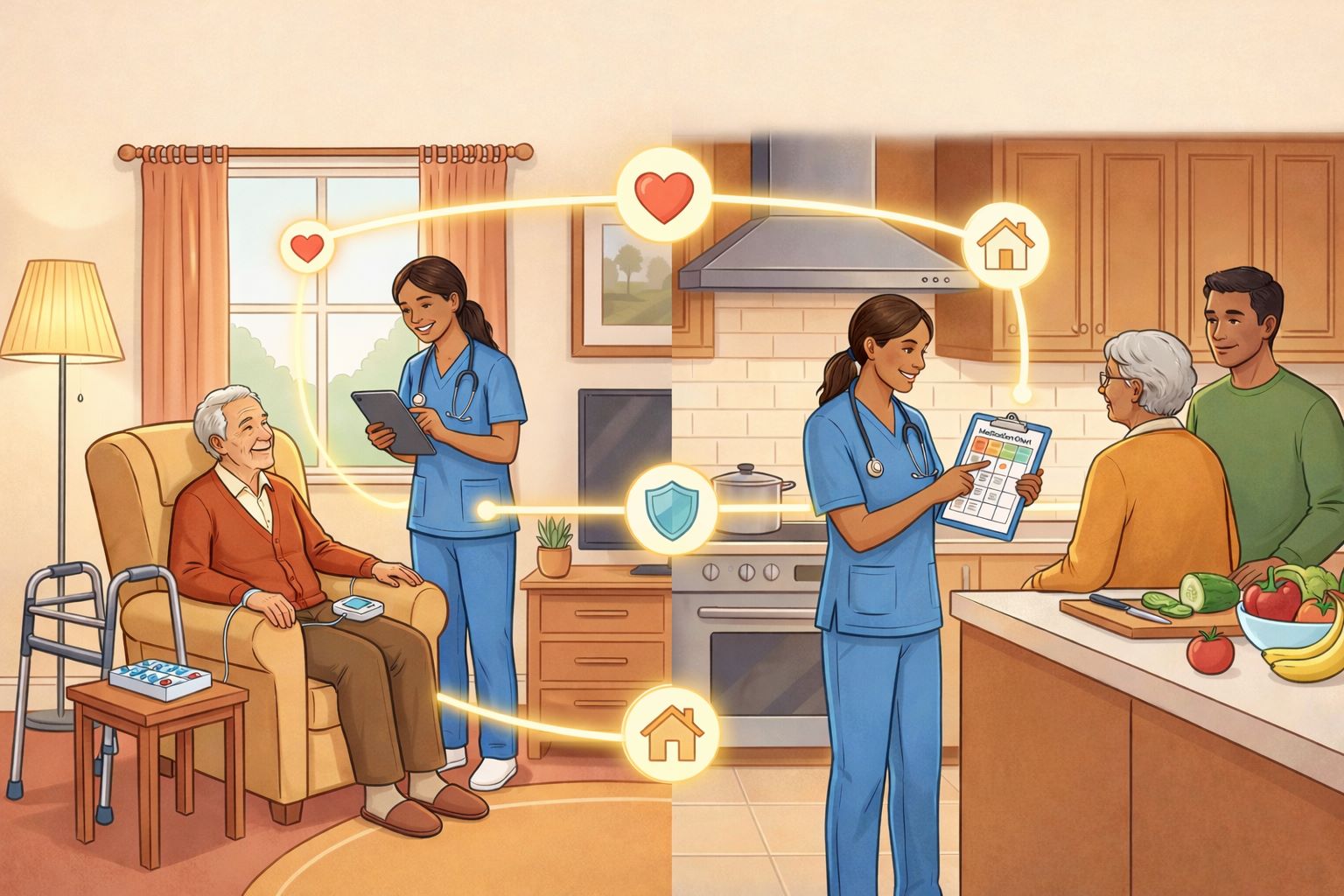
Living with a chronic condition takes time and patience. Conditions like diabetes, high blood pressure, heart disease, or breathing problems don’t go away quickly. They need regular check-ups, timely medicines, and small daily changes over a long period. For families, the bigger challenge is creating a care routine that fits into everyday life.
Home nursing care makes this easier. With professional nurses supporting patients at home, ongoing care becomes more organised and less stressful. It helps people manage their condition safely, stay comfortable, and maintain independence while living with a long-term illness.
Why is consistent monitoring so critical for chronic conditions?
Chronic illnesses rarely announce complications with flashing warning signs. Instead, they progress gradually through small changes that, left unnoticed, compound into serious problems.
According to research published in PLOS ONE, hypertension and diabetes account for about 68% of all chronic diseases amongst the elderly population in India. These conditions require daily vigilance, something that's difficult to maintain through periodic hospital visits alone.
Professional nurse care at home provides continuous oversight:
Monitors vital signs regularly and tracks symptom changes.
Notes subtle patterns before they escalate into serious problems.
Coordinates with physicians to adjust treatment plans promptly.
Prevents the crisis-response cycle that leads to emergency interventions.
This proactive approach keeps patients stable through consistent, personalised attention rather than reactive emergency care.
How does medication management improve with nursing support?
Managing medications for chronic conditions can become remarkably complex. Multiple prescriptions, varying dosages, different timing requirements, and potential interactions, these factors create opportunities for errors.
Home nurses eliminate this confusion:
Organise medication schedules and ensure doses are taken correctly and on time.
Monitor for side effects and track medication effectiveness.
Document issues and communicate with physicians to adjust treatment.
Navigate complex regimens when treating multiple conditions simultaneously.
For elderly patients managing diabetes alongside heart disease, hypertension, and arthritis, this medication oversight becomes crucial. Home nurses ensure medications work together safely rather than creating adverse interactions.
What makes home-based care safer than managing conditions alone?
Research shows that nearly 27.5% of diagnosed chronic conditions remain untreated, often because patients lack adequate support to manage their conditions effectively. This treatment gap leads to preventable complications.
Home nursing care closes this gap through:
Professional support ensuring treatment plans are followed.
Regular health assessments, checking for warning signs.
Detailed records provide physicians with comprehensive information.
Environmental safety assessments specific to each condition.
Nurses also identify risks like diabetic foot problems, fluid retention in heart patients, and fall hazards for those with mobility limitations. This awareness prevents complications that might trigger serious health setbacks.
Can home care prevent hospital readmissions?
Hospital readmissions represent one of the most frustrating aspects of chronic illness management. Patients get treated, return home, and within weeks find themselves back in the hospital with the same condition worsening.
Home nursing care breaks this pattern. As we explored in our discussion about professional home healthcare versus hospital stays, continuous monitoring at home helps patients maintain stability.
Key ways nurses prevent readmissions:
Teaching patients to recognise their own warning signs.
Educating families about symptoms, dietary requirements, and lifestyle adjustments.
Ensuring post-hospitalisation care plans are followed properly.
Guiding patients through medication changes and activity restrictions.
This support transforms passive patients into active participants who seek help before conditions deteriorate severely.
Which chronic conditions benefit most from home nursing care?
Virtually any chronic condition improves with consistent home nursing support, but certain illnesses particularly benefit from this care model.
Condition | How home nursing helps |
Diabetes | Monitors blood glucose levels, ensures correct insulin administration, watches for complications like diabetic foot problems, and helps maintain dietary habits. |
Hypertension | Conducts regular blood pressure checks, manages medications, provides dietary guidance, and detects patterns missed in clinic visits. |
Heart disease | Monitors for fluid retention and breathing difficulties, supports cardiac rehabilitation, manages medications, and watches for chest pain. |
COPD/Respiratory conditions | Teaches breathing exercises, manages oxygen therapy, ensures proper medication delivery, and catches infections early. |
Post-stroke care | Supports ongoing therapy, ensures medication adherence, monitors blood pressure, and watches for recurrent stroke signs. |
Does home nursing support reduce family caregiver stress?
Family members caring for loved ones with chronic conditions face enormous pressure. They must learn medical procedures, manage medications, recognise symptoms, and provide physical care whilst managing their own lives.
Professional home nursing care relieves this pressure:
Nurses handle technical aspects like medication administration and vital sign monitoring.
Family members focus on emotional support and companionship.
Nurses educate families about the condition, building their confidence.
Partnership approach ensures expert care whilst families remain meaningfully involved.
This division prevents caregiver burnout and strained relationships while ensuring patients receive proper medical support.
How do nurses coordinate with the broader healthcare team?
Chronic illness management rarely involves just one healthcare provider. Patients typically see multiple specialists, undergo regular testing, and navigate a complex system that doesn't always communicate well internally.
Home nurses serve as care coordinators who:
Communicate with all the patient's physicians, ensuring everyone understands the complete health picture.
Coordinate appointment schedules and arrange necessary tests.
Follow up on recommendations from various specialists.
Maintain comprehensive records accessible to all healthcare team members.
Advocate for patients within the healthcare system.
This coordination prevents dangerous gaps when test results don't get communicated or when one doctor doesn't know what another has prescribed.
Is home nursing care accessible and affordable?
Cost concerns often prevent families from seeking professional care, but home nursing frequently proves more economical than the alternatives. Compared to frequent hospital visits or institutional care, home nursing services provide better value whilst delivering superior outcomes.
Key affordability factors:
Pay only for care hours needed rather than full-time institutional fees.
Services scale to match requirements (daily visits, weekly support, or intensive care).
Prevents expensive complications from poorly managed chronic conditions.
Many insurance plans now cover home healthcare services.
Each prevented hospitalisation or avoided emergency represents significant savings beyond the direct cost of nursing services.
Living well with chronic illness
Chronic conditions don't have to define or limit your life. With proper support, patients maintain active, fulfilling lives whilst managing their health effectively. Home nursing care provides this support, combining medical expertise with personalised attention that respects individual circumstances.
The goal is to support overall wellness, independence, and a better quality of life. With doctor-led care and personalised nursing support at home, Heka Health helps patients manage long-term conditions without disrupting everyday life. Reach out to our team to explore how home nursing care can support your family.
Your well-being
is our priority.
Together, let's navigate every step
with care and compassion.

Your well-being
is our priority.
Together, let's navigate every step
with care and compassion.
Your well-being
is our priority.
Together, let's navigate every step
with care and compassion.