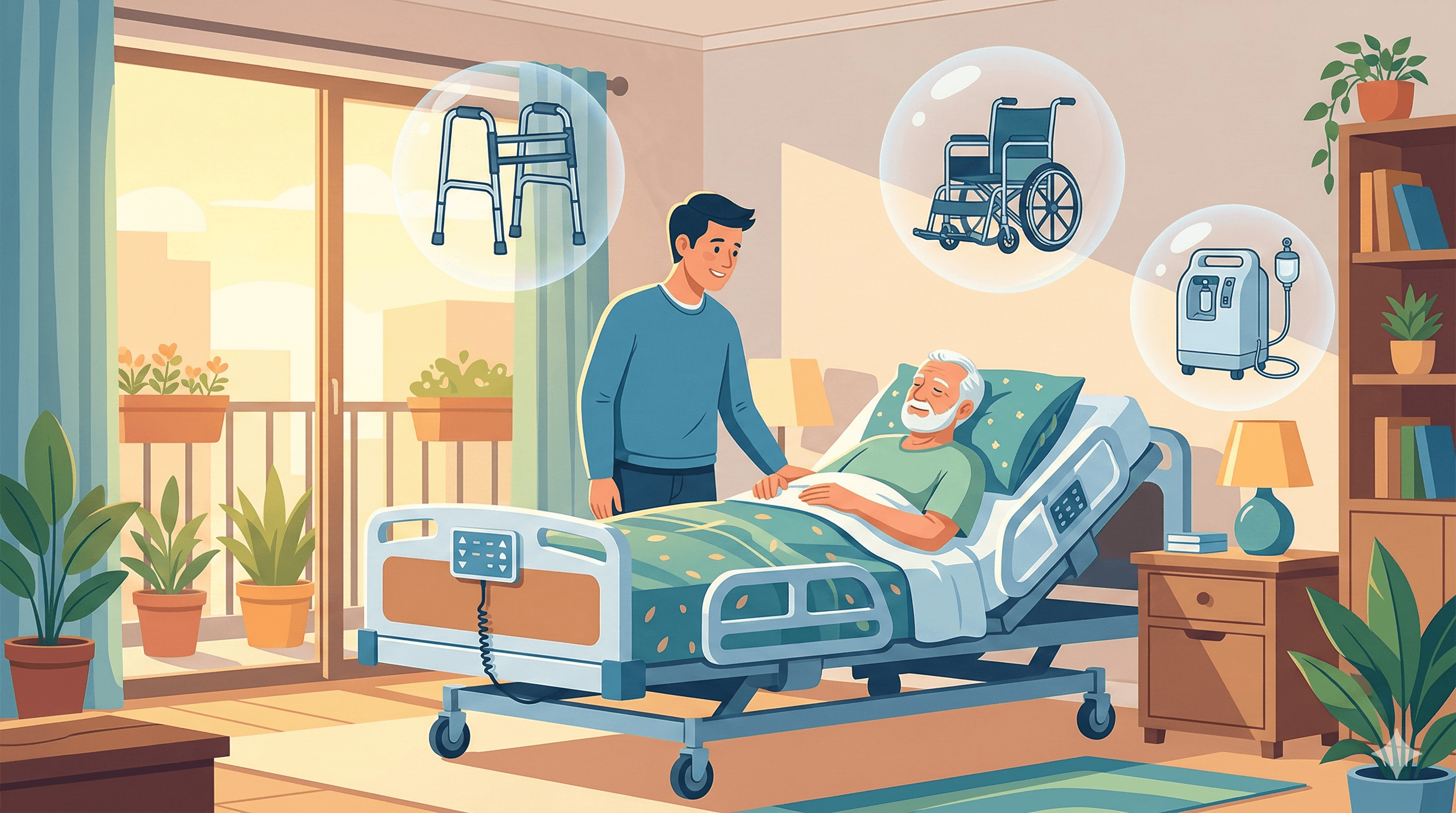
When a loved one needs ongoing medical support at home, the financial and emotional stress can be overwhelming. Between rising hospital bills and the logistics of care, families are often caught off guard by one critical question: should we buy expensive medical equipment for a temporary need? This is where renting becomes a smart, practical solution.
Medical equipment on rent allows you to bring hospital-grade care into the comfort of your home without the crippling upfront cost. It’s about making an informed choice that prioritizes both your family's well-being and your financial stability. This guide breaks down how renting saves money, what to look for in a provider, and how to choose the right equipment for your needs.
1. The Growing Need for Home Medical Equipment: A Family's Perspective
As hospital stays become shorter and more expensive, families are increasingly managing recovery and chronic conditions at home. This shift requires access to professional-grade equipment without the burden of ownership.
The dilemma is common: a parent is discharged after surgery and needs a hospital bed for six weeks. Buying one costs over ₹30,000, but it will sit unused after recovery. Renting provides a cost-effective alternative, saving thousands. This trend is why the home healthcare market in India is growing rapidly. Families recognize that healing is often faster and safer in familiar surroundings, away from the risk of hospital-acquired infections. Choosing professional home healthcare over hospital stays is a decision that balances medical outcomes with quality of life.
At Heka Health, we see this every day. Adult children juggling careers and caregiving need a reliable partner to handle the logistics. Renting equipment provides that peace of mind, offering flexibility as a loved one's health needs evolve.
2. Why Does Renting Medical Equipment Make Financial Sense?
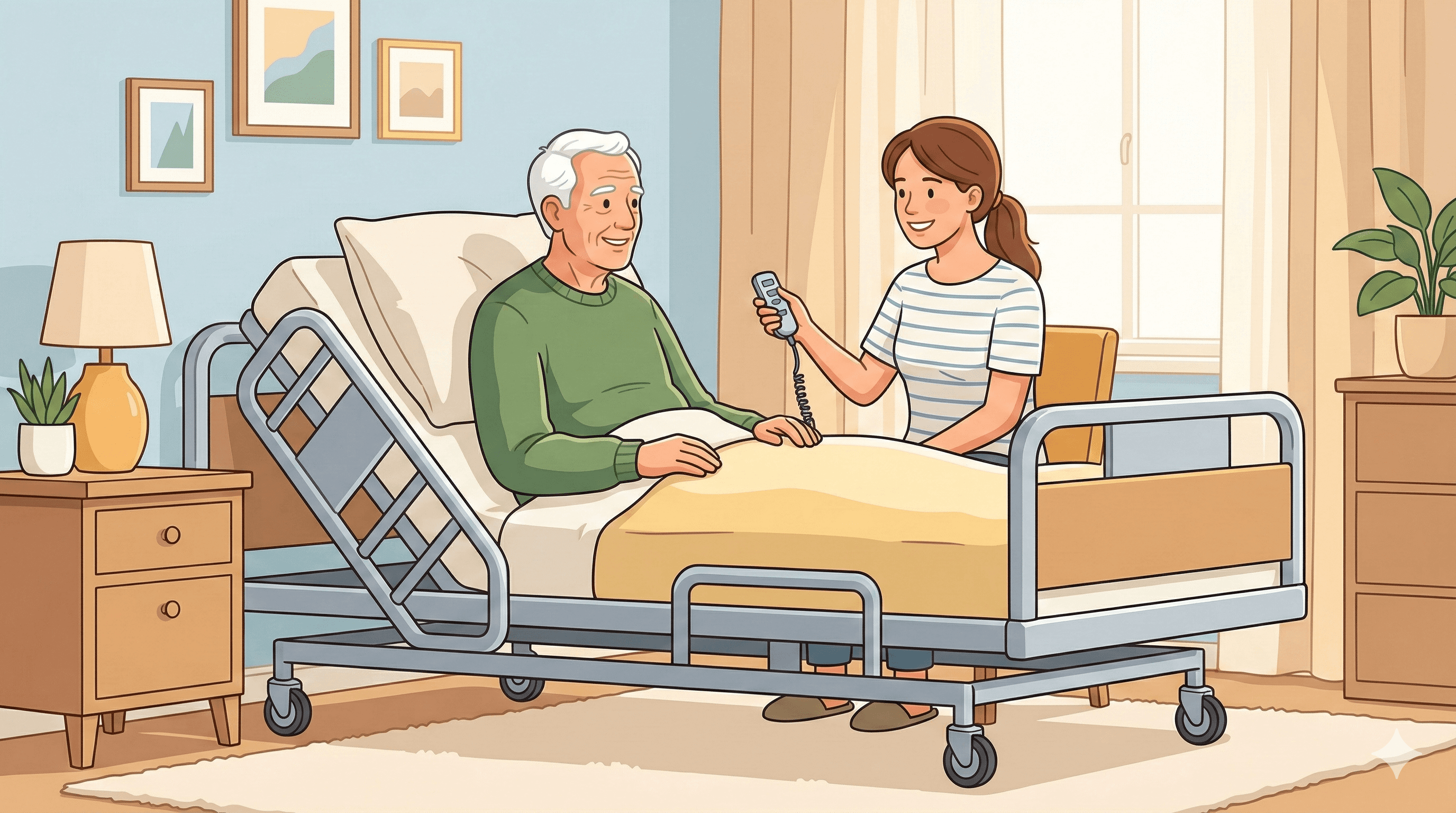
Renting medical equipment is a financially savvy strategy that significantly reduces the cost of home care, especially for short-term needs. By renting, you avoid the large upfront investment of purchasing, eliminate surprise maintenance costs, and pay only for the time you need the equipment, preserving your savings for other essential care expenses.
For example, a hospital bed on rent costs around ₹2,500 per month, while buying it costs upwards of ₹30,000. For a three-month recovery period, renting saves you over ₹22,500. This approach offers several clear benefits:
Cost-Effectiveness: Avoid a large capital outlay for equipment needed for a few weeks or months.
No Maintenance Burden: The rental provider is responsible for all repairs and servicing.
Flexibility: Easily upgrade, downgrade, or return equipment as the patient's condition changes.
Access to Modern Tech: Use the latest, well-maintained equipment without the risk of obsolescence.
No Storage Hassles: The provider delivers and picks up the equipment, so you don't have to store bulky items.
Heka Health’s medical equipment rental services are designed to provide this same convenience and financial relief to families.
2.1. Beyond Initial Purchase: Unseen Costs of Ownership
The sticker price of medical equipment is just the beginning. The true cost of ownership includes maintenance, repairs, storage, and eventual disposal, which can add 25-40% to the initial purchase price over time. A BiPAP machine, for instance, requires regular filter and mask replacements, and a motor failure can lead to costly repairs. When you rent, these hidden expenses are covered by the provider, giving you a predictable, fixed monthly cost.
2.2. Flexibility for Evolving Care Needs and Short-Term Recovery
A patient's journey to recovery is rarely linear. Their needs can change from week to week. Renting offers the agility to adapt. For someone recovering from knee surgery, you can rent a wheelchair for the first few weeks, then switch to a walker as they regain mobility. This flexibility is crucial for post-surgery rehabilitation at home. Renting also allows for a trial period. Before committing to buying an expensive CPAP machine, you can rent one for a month to ensure the patient is comfortable with the therapy, preventing a costly mistake.
3. Renting vs. Buying: How to Make the Right Choice
Deciding whether to rent or buy medical equipment depends on the duration of need, the type of equipment, and your budget. For any need less than six months, renting is almost always more cost-effective. For long-term or permanent conditions, buying might seem cheaper, but renting often provides better value once you factor in maintenance and upgrades.
3.1. When Buying Might Seem Appealing (and its Potential Pitfalls)
Ownership offers a sense of control and immediate availability, which can be comforting for families managing a stable, long-term condition. You can customize the equipment and there are no monthly bills to track. However, the downsides are significant. Medical technology evolves quickly, leaving you with outdated equipment. You are also solely responsible for all maintenance and emergency repairs, which can be stressful and expensive. Finally, when the equipment is no longer needed, its resale value is typically very low.
3.2. The Unseen Advantages of Rental for Long-Term Home Care
For chronic conditions, renting provides peace of mind that ownership cannot. Professional maintenance is included, ensuring complex devices like ventilators or oxygen concentrators are always functioning safely and efficiently. You gain access to free upgrades as newer, better models become available. This is especially important in providing dignified elderly care at home, where needs can change unexpectedly. The rental company handles all the administrative burdens, freeing your family to focus on providing emotional support, not managing assets.
4. What Essential Medical Equipment Can You Rent?
Nearly any piece of medical equipment you find in a hospital can be rented for home use, ensuring a safe and effective care environment. Reputable providers offer a wide range of devices, from basic mobility aids to advanced respiratory support, all professionally sanitized and maintained. This accessibility makes it possible to create a comprehensive care setup at home.
4.1. Mobility and Comfort Aids for Enhanced Independence
These items help patients move safely and rest comfortably, reducing strain on caregivers.
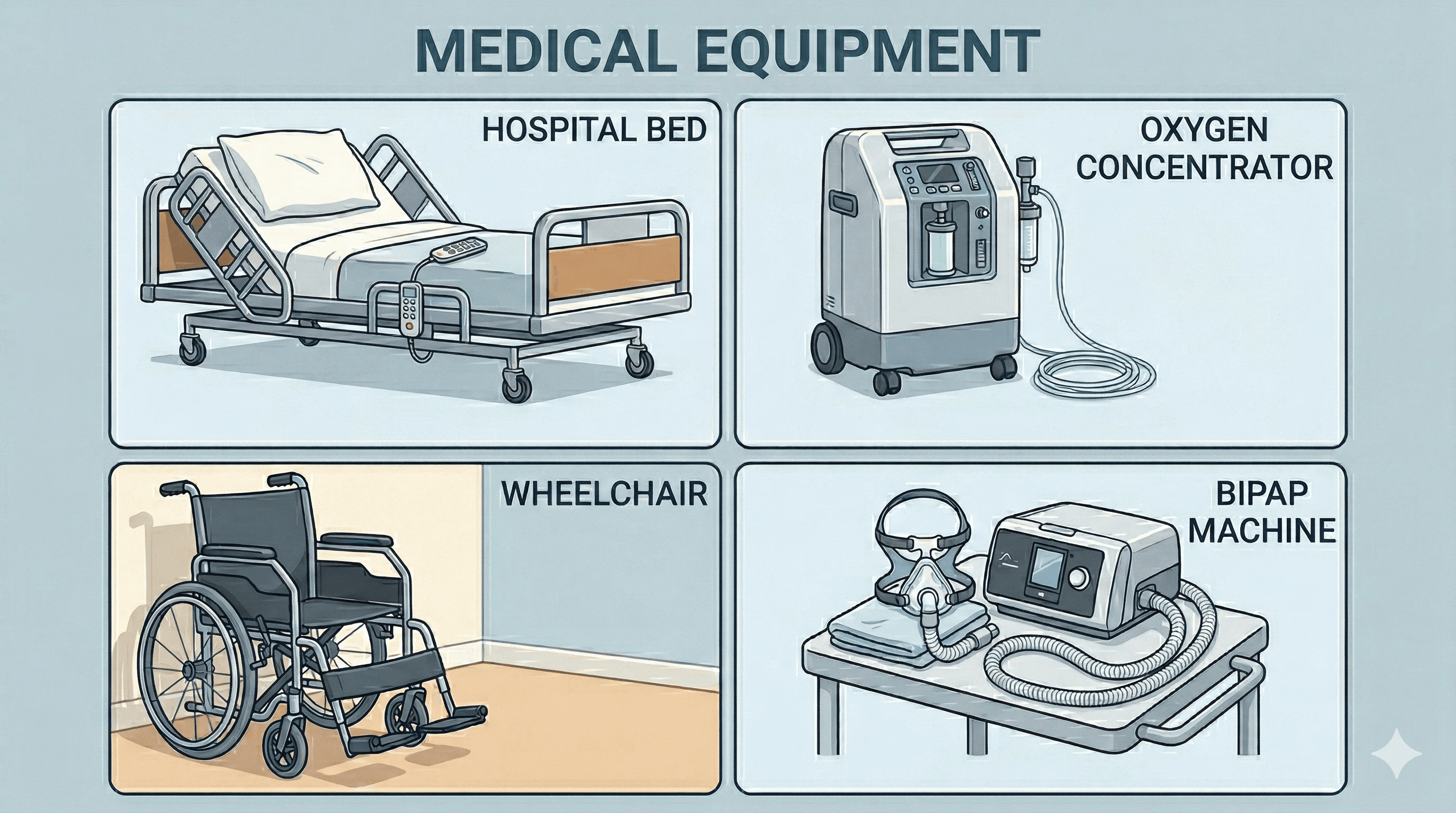
Hospital Bed on Rent: Electric and manual beds with adjustable positions to improve comfort and prevent bedsores.
Wheelchair on Rent: Manual, electric, and reclining models to suit different mobility levels.
Walkers and Canes: Provide stability during recovery and for daily activities.
Patient Lifts: Safely transfer patients with severe mobility limitations, protecting both the patient and caregiver from injury.
4.2. Respiratory Support Devices for Breathing Assistance
This equipment is critical for patients with respiratory conditions like COPD, sleep apnea, or pneumonia.
Oxygen Concentrator on Rent: A safe and convenient alternative to cylinders, it extracts oxygen from the air.
BiPAP/CPAP Machine on Rent: Non-invasive ventilation for sleep apnea and other breathing disorders.
Medical Oxygen Cylinder for Rent: Used for backup or portable oxygen needs.
4.3. Specialized Care Equipment for Advanced Home Support
For patients with more complex medical needs, specialized equipment can facilitate advanced care at home, often as part of an ICU setup at home.
Suction Machine on Rent: Clears airways of mucus or fluids for patients who cannot clear them on their own.
Ventilator on Rent: Provides mechanical breathing support for patients with severe respiratory failure.
DVT Pump: Prevents blood clots in the legs for bedridden patients.
Nebulizer: Delivers medication directly to the lungs in the form of a mist.
5. How Do You Choose a Trusted Equipment Partner?
Selecting the right rental provider is just as important as choosing the right equipment. A reliable partner ensures you receive high-quality, sanitized equipment and offers responsive support when you need it most. Look for a company that prioritizes transparency, quality, and customer service to guarantee a stress-free experience.
Your decision should be based on more than just price. The provider's reputation, service standards, and support system are critical for ensuring your loved one's safety and comfort.
5.1. What to Look for in a Reputable Rental Provider
When evaluating providers, use this checklist to make an informed decision:
Quality and Hygiene: Does the company follow strict sanitization protocols between users? Is the equipment well-maintained and from reputable brands?
Transparent Pricing: Are all costs, including delivery, pickup, and deposits, clearly stated upfront?
Technical Support: Do they offer 24/7 support in case of equipment malfunction?
Responsive Service: How quickly can they deliver the equipment? Do they provide installation and a clear demonstration?
Flexible Terms: Can you easily extend or terminate the rental agreement as your needs change?
5.2. Heka Health's Commitment to Quality and Seamless Support
At Heka Health, we believe care should feel like family: honest, attentive, and built on trust. Our approach is rooted in providing not just equipment, but complete peace of mind. We ensure every piece of our rental medical equipment is rigorously tested, sanitised, and maintained to the highest standards.
Our commitment includes:
Expert Guidance: Our team helps you choose the right equipment for your specific medical needs.
Seamless Logistics: We handle fast delivery, professional installation, and timely pickup.
24/7 Support: Our dedicated health support team is always available to assist with any technical issues or questions.
Heartfelt Trust: With a 95% positive review rate, we are a trusted partner for hundreds of families.
If you have questions or need to arrange for equipment, our care managers are here to help. You can contact Heka Health directly for a personalised consultation.
6. Conclusion: Empowering Home Care with Smart Equipment Choices
Choosing to rent medical equipment is a practical, empowering decision that enhances the quality of home care while protecting your family’s finances. It provides the flexibility to adapt to changing health needs, eliminates the burdens of maintenance and storage, and ensures access to modern, reliable technology. By making a smart choice, you can create a safe, comfortable, and healing environment for your loved one without the stress of a major financial commitment.
Ready to explore how renting can support your family? Discover our full range of home healthcare services and let us help you find the perfect solution for your needs.
Frequently Asked Questions About Medical Equipment Rental
Is medical equipment rental covered by insurance in India?
Coverage for medical equipment rental varies widely among insurance policies in India. Most basic health insurance plans do not cover it, but some comprehensive or specialized policies may offer partial or full reimbursement. It is essential to check the specific terms of your policy or contact your insurance provider directly to confirm coverage details.
What if the rented equipment breaks down or needs maintenance?
A major advantage of renting is that the provider is responsible for all maintenance and repairs. If the equipment malfunctions, you should immediately contact the rental company. A reputable provider like Heka Health offers 24/7 technical support and will promptly repair or replace the faulty unit at no extra cost to you.
How quickly can I get medical equipment delivered to my home?
Delivery times depend on the provider and your location. Most professional rental companies, including Heka Health, offer same-day or next-day delivery for common equipment like hospital beds, oxygen concentrators, and wheelchairs, ensuring you get the support you need without delay.
Can I extend the rental period if needed?
Yes, flexibility is a key benefit of renting. If the patient's recovery takes longer than expected or their condition requires ongoing support, you can easily extend the rental period. Simply contact the provider before your current agreement expires to arrange for an extension on a weekly or monthly basis.
What types of payment options are available for medical equipment rental?
Most providers offer flexible payment options to suit your needs. Common methods include online payments via credit/debit cards, net banking, and UPI. You can typically choose between weekly or monthly billing cycles. A refundable security deposit is also standard practice and is returned after the equipment is picked up in good condition.
Your well-being
is our priority.
Together, let's navigate every step
with care and compassion.

Your well-being
is our priority.
Together, let's navigate every step
with care and compassion.
Your well-being
is our priority.
Together, let's navigate every step
with care and compassion.