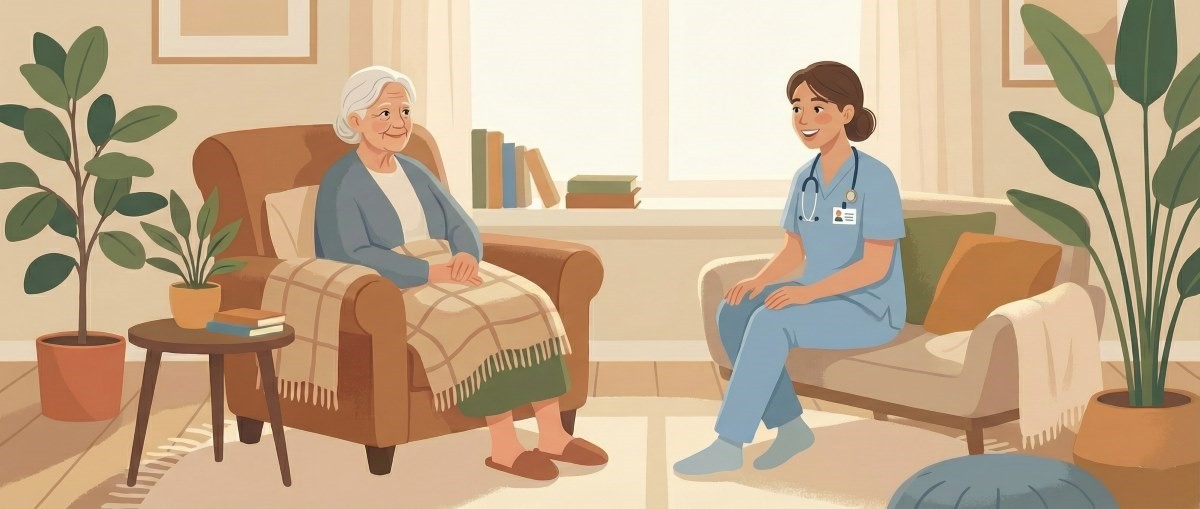
Growing older is a natural part of life, but it comes with its own set of challenges. For many families, the question isn't just about providing care for ageing parents or grandparents, it's about doing so in a way that honours their dignity, independence, and comfort.
India is witnessing a demographic shift that cannot be ignored. According to the Longitudinal Ageing Study of India (LASI), more than 75% of older individuals have one or more chronic diseases, while 70% depend on others for daily support. These numbers reflect a silent crisis unfolding in homes across the country.
Let's explore why elderly care at home has become not just a choice, but a compassionate solution that truly makes a difference.
Why home is where the heart and health truly is
There's something irreplaceable about being surrounded by familiar walls, cherished memories, and the warmth of one's own space. For senior citizens, staying at home offers benefits that extend far beyond physical comfort:
Faster recovery and better health outcomes: Research consistently shows that older adults recover faster and experience better health outcomes when cared for at home compared to institutional settings.
Reduced stress and anxiety: Familiar surroundings reduce stress, anxiety, and disorientation, particularly for those dealing with memory-related conditions like dementia.
Maintained daily rituals: Seniors stay connected to their routines, their community, and the people they love, whether it's morning tea in their favourite chair, tending to plants in the garden, or simply watching the neighbourhood come alive.
Mental engagement: These small moments might seem insignificant, but they're what keep the spirit alive and the mind engaged.
How does home care preserve independence and dignity?
One of the most profound reasons why elderly care at home is important lies in the preservation of dignity and independence. Growing older doesn't mean losing the right to make choices or live life on one's own terms.
Unlike institutional settings where routines are rigid and privacy is limited, home care for the elderly allows seniors to decide how they want to spend their day, what they want to eat, and how they wish to be cared for. This sense of control is crucial. It reinforces self-esteem, reduces feelings of helplessness, and contributes to better mental health.
When caregivers provide support with daily activities like bathing, dressing, or meal preparation, they do so in a way that empowers rather than diminishes. The goal isn't to take over, it's to assist. This approach helps seniors retain their confidence and continue participating in life actively, not as passive recipients of care.
What makes personalised senior citizen care so effective?
Every individual ages differently. One person might need help with mobility, while another may require medication management or companionship to combat loneliness. This is why personalised senior citizen care is so effective.
Professional elderly care at home services assess each individual's unique needs, preferences, and health conditions to create a tailored care plan. These plans are flexible and evolve as needs change, ensuring that the care provided is always relevant and appropriate.
For example, someone recovering from surgery might need intensive nursing care initially, followed by physiotherapy and then ongoing assistance with daily activities. Home care services can seamlessly adapt to these changing requirements without the upheaval of moving between different care facilities.
This level of personalisation also extends to emotional and social needs. Some seniors thrive with regular conversation and companionship, while others prefer quiet support in the background. Understanding and respecting these preferences is what makes home care truly family-like.
Does professional care reduce family caregiver burden?
Caring for an elderly loved one is a labour of love, but it's also exhausting. According to a study published in the Indian Journal of Community Medicine, nearly 70% of elderly individuals are left unattended by friends and family, not out of neglect, but because relatives are stretched thin managing work, children, and other responsibilities.
Family members often experience guilt, stress, and burnout when trying to balance caregiving with their own lives. Professional elderly care at home offers much-needed respite. It doesn't replace family involvement; it complements it. With trained caregivers handling daily tasks and medical needs, family members can spend quality time with their loved ones without being overwhelmed by the physical demands of care.
This shared responsibility model ensures that elderly individuals receive consistent, high-quality care while families maintain their emotional connection without sacrificing their own well-being. It's a win-win that strengthens relationships rather than straining them.
Can home care improve health outcomes and prevent complications?
Home care isn't just about assistance; it's about proactive health management. Trained caregivers and nurses monitor vital signs, manage medications, track dietary needs, and watch for early warning signs of health issues. This continuous monitoring can prevent complications, reduce hospital readmissions, and improve overall health outcomes.
Falls are a major concern for the elderly, with serious consequences. Home care providers conduct safety assessments and make necessary modifications like installing handrails, removing tripping hazards, and ensuring proper lighting. These simple interventions significantly reduce the risk of accidents and injuries.
Additionally, regular physical activity, balanced nutrition, and mental stimulation are built into care routines. Whether it's gentle exercises to maintain mobility, brain games to keep the mind sharp, or nutritious meals prepared according to dietary restrictions, every aspect of care is designed to promote wellness, not just manage illness.
How does home care combat loneliness and social isolation?
Loneliness is a serious health risk for older adults. Research indicates that one in three elderly Indians reports depressive symptoms, and social isolation is a major contributing factor. When seniors are confined to their homes without regular interaction, their mental health can deteriorate rapidly.
Home care for the elderly addresses this by providing consistent companionship. Caregivers become trusted friends who engage in conversations, share stories, accompany seniors on walks, and participate in activities they enjoy. This social connection is as vital as any medication.
Moreover, because seniors remain in their own homes and communities, they can continue to interact with neighbours, attend local events, and stay connected to the world around them. This continuity of social life is crucial for maintaining a sense of purpose and belonging.
Is home care more cost-effective than institutional care?
Many families assume that quality care is only available in expensive nursing homes or hospitals. The reality is quite different. Home care for the elderly is often more cost-effective because families pay only for the services they need, whether it's a few hours a day or round-the-clock support.
There are no facility fees, no hidden costs for amenities, and no need to move belongings or uproot an entire life. Families can choose flexible care packages that fit their budget and adjust them as circumstances change. Some government schemes and insurance policies also cover certain aspects of home healthcare, making it even more accessible.
More importantly, when you consider the value of keeping a loved one comfortable, safe, and happy in their own home, the investment in home care services proves invaluable. It's not just about spending money, it's about spending it wisely on what truly matters.
What should you look for when choosing elderly care services?
Not all home care services are created equal. When considering senior citizen care for your loved one, it's essential to choose a provider that prioritises trust, quality, and genuine compassion.
Look for services that offer:
Verified and trained caregivers with background checks.
Personalised care plans tailored to individual needs.
24/7 support and emergency assistance.
Flexibility in service packages and timings.
Regular monitoring and quality audits.
Open communication with families.
Professional elderly care at home brings trained caregivers, medical support, and genuine companionship right where it matters most, in the comfort of home.
Why is now the right time to consider home care?
As India's elderly population continues to grow, the need for compassionate, professional home care will only increase. By 2050, one in five Indians will be elderly, and the time to prepare for this demographic shift is now.
Families must recognise that seeking professional help isn't a sign of failure or abandonment, it's an act of love. It means acknowledging that your loved one deserves the best possible care, and sometimes that requires expertise you simply cannot provide on your own.
Elderly care at home offers a dignified, practical, and compassionate solution that honours the contributions our elders have made while ensuring their later years are filled with comfort, respect, and joy. It allows them to age in place, surrounded by love, memories, and the familiarity that makes a house a home.
If you're looking for trusted support that treats your loved ones with the care and dignity they deserve, contact us to learn how we can bring expert, heartfelt care right to your doorstep.
Your well-being
is our priority.
Together, let's navigate every step
with care and compassion.

Your well-being
is our priority.
Together, let's navigate every step
with care and compassion.
Your well-being
is our priority.
Together, let's navigate every step
with care and compassion.