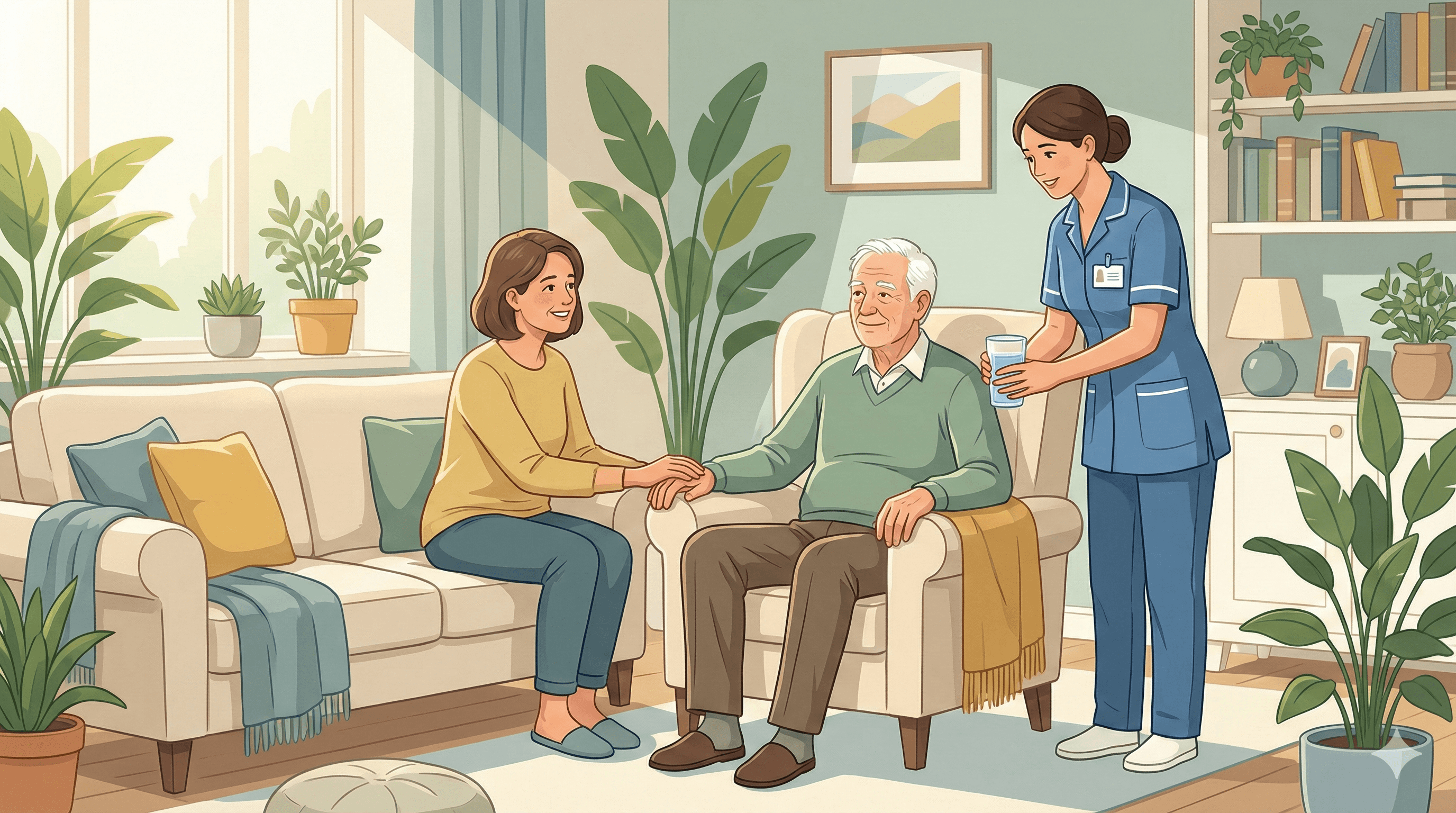
The phone call comes on a Sunday evening. Your mother sounds confused about whether she took her morning medication. Or perhaps you visit home after months and notice your father's clothes look unwashed, the fridge contains expired food, and bills are piling up unopened. These moments catch families off-guard, forcing questions nobody wants to face: Can our parents still manage alone? When does independence become unsafe?
According to recent data, 74% of elderly Indians depend on someone else for daily activities, whilst 42% live with frailty, struggling with movement or energy. These statistics represent millions of families navigating the delicate balance between respecting parents' independence and ensuring their safety. Recognising when professional support becomes necessary can prevent crises and preserve dignity during vulnerable years.

1. Declining personal hygiene and grooming
Your parent once took pride in appearance. Clothes were always pressed, hair neatly combed, and personal cleanliness impeccable. Now you notice unwashed clothes worn repeatedly, uncombed hair, body odour, or general neglect of grooming.
This change signals more than laziness or depression, though both may contribute. Physical limitations often make bathing difficult. Getting in and out of tubs becomes risky. Arthritis makes washing hair painful. Vision problems prevent seeing dirt or stains.
What to watch for:
Wearing the same clothes for days without washing.
Strong body odour suggesting infrequent bathing.
Unkempt hair or neglected dental hygiene.
Fingernails and toenails grown excessively long.
Soiled clothing left unchanged.
Professional caregivers assist with bathing, dressing, and grooming whilst maintaining dignity. They transform what becomes a struggle into a comfortable daily routine.
2. Noticeable memory lapses and confusion
Forgetting where you placed keys occasionally is normal. Forgetting that you own a car is not. The line between normal ageing and concerning cognitive decline can blur, but certain patterns demand attention.
Memory problems affecting daily life include:
Repeatedly asking the same questions within minutes.
Forgetting recent conversations or events entirely.
Getting lost in familiar neighbourhoods.
Leaving stove burners on or taps running.
According to research on elderly health in India, multimorbidity affects about 33% of the elderly population, with cognitive issues becoming increasingly prevalent. These changes require professional monitoring to prevent dangerous situations like wandering, accidents, or medication errors.
A professional caregiver provides consistent routines, medication management, and supervision that keep elderly parents safe while preserving their remaining independence.
3. Mobility issues and fall risks
The fear of falling becomes real when you notice parents gripping furniture whilst walking, hesitating before stairs, or moving with obvious difficulty. Falls represent one of the leading causes of injury amongst the elderly, and the fear of falling creates a vicious cycle where reduced activity leads to further weakness.
Warning signs of mobility problems:
Unsteady gait or balance problems.
Using walls and furniture for support when walking.
Difficulty rising from chairs or getting out of bed.
Shuffling steps instead of normal walking.
Reluctance to walk or leave home due to fall anxiety.
Professional home caregivers assist with transfers, provide walking support, and help with exercises that maintain strength. They also identify home hazards like loose rugs, poor lighting, or cluttered pathways that increase fall risks.
As we discussed in our guide on why elderly care at home is important, maintaining safety whilst preserving independence requires professional expertise.

4. Unexplained weight loss or poor nutrition
When you visit and notice your parent has lost considerable weight, or the fridge contains only condiments and expired items, nutrition has become compromised. This decline rarely happens suddenly; it accumulates through small changes that compound over time.
Nutrition red flags include:
Significant weight loss over recent months.
Empty or nearly empty refrigerator and pantry.
Expired food items were kept and consumed.
Reliance on packaged snacks instead of proper meals.
Poor nutrition accelerates health decline, weakens immunity, and compounds existing medical conditions. Professional caregivers ensure regular, nutritious meals are prepared according to dietary requirements and preferences. They transform eating from a chore into an enjoyable routine that maintains health.
5. Medication mismanagement
The bathroom cabinet contains multiple pill bottles with varying instructions. Some medications appear untouched, whilst others run out faster than prescriptions allow. This confusion with medications represents a serious safety concern that demands immediate attention.
Signs of medication problems:
Missing doses or taking incorrect amounts.
Confusion about which pills to take when.
Pill bottles are found in unusual places around the house.
Side effects from drug interactions are going unrecognised.
Difficulty opening child-proof caps or reading small print labels.
Expired medications mixed with current prescriptions.
Research shows that elderly patients with multiple chronic conditions often take 5-10 different medications daily. Managing this complexity requires the systems and reminders that professional elderly care services provide. Trained caregivers organise medications, ensure timely administration, monitor for side effects, and coordinate with physicians about concerns.
6. Social withdrawal and isolation
Your naturally social parent who enjoyed morning walks with neighbours, attended community events, and maintained active friendships now rarely leaves home. Phone calls go unanswered, invitations get declined, and isolation deepens.
According to studies, 31% of elderly people in developing Asia report depressive symptoms owing to illness, social isolation, and economic insecurity. This isolation creates a dangerous cycle where loneliness leads to depression, which further reduces motivation for social engagement.
Isolation warning signs:
Declining invitations to family gatherings or social events.
Loss of interest in hobbies and activities once enjoyed.
Spending entire days alone without leaving home.
Reduced phone contact with friends and family.
Professional caregivers provide companionship that combats isolation. They encourage activity, facilitate social connections, and provide the human interaction that maintains mental health and quality of life.
7. Unexplained bruises or injuries
You notice bruises on arms or legs that your parent cannot explain. Perhaps there are burns from cooking accidents or cuts that healed poorly. These injuries suggest that living alone has become unsafe.
Physical safety concerns include:
Bruises, cuts, or burns appear regularly.
Dismissive explanations about how injuries occurred.
Evidence of recent falls, like displaced furniture or scattered items.
Fear of performing routine tasks that risk injury.
Attempting activities beyond current physical capabilities.
A professional caretaker for an old person provides supervision that prevents accidents while assisting with tasks that have become dangerous. They help with cooking, ensure safe movement around the home, and provide immediate response when problems occur.
The comparison between professional home healthcare versus hospital stays shows that consistent home supervision prevents the hospitalizations that result from preventable accidents.
When to seek professional elderly care services
Recognising these signs is the first step. Acting on them requires overcoming common barriers: guilt about not providing care personally, concerns about costs, worry about parents resisting help, or simple uncertainty about where to begin.
The reality is stark but important: only 1.3% of elderly Indians have access to quality professional care, despite millions needing it. This gap leaves families struggling with arrangements that compromise both elderly well-being and family functioning.
Professional home caregivers bring:
Daily supervision ensuring safety and proper self-care.
Medication management prevents dangerous errors.
Meal preparation and maintaining proper nutrition.
Assistance with bathing, dressing, and grooming.
Companionship, combating isolation and depression.
Household support maintains clean, safe environments.
Coordination with healthcare providers for comprehensive care.
The goal isn't removing parents' independence, it's providing the support that preserves it as long as possible.
Taking the first step towards professional home caregiving
It’s hard to accept that your parents may need help. The people who once cared for you now need support, and that shift can feel heavy. But recognising it and taking action is an act of love.
Start with open, honest conversations. Share your concerns and involve them in care decisions. Many older adults resist help at first but value it once they see how it improves daily life. Look into available options, check caregiver credentials, and choose support that protects their dignity.
Home care can help them stay in familiar surroundings while receiving the assistance they need. These signs usually build up slowly. The earlier you notice them and seek support, the better it is for everyone involved.
If you've recognised several of these signs in your elderly parents, it's time to explore professional support options such as Heka Health.
Contact us to discuss how professional home caregivers can provide the expert, compassionate care your loved ones deserve, whilst giving you peace of mind that they're safe, healthy, and well-supported.
Frequently Asked Questions (FAQ)
How do I convince my elderly parent to accept a home caregiver?
Frame it around your peace of mind, not their loss of independence. Start with just a few hours a day to build trust slowly.
What is the difference between an elderly caretaker and a home nurse?
Caretakers help with daily living (bathing, meals, mobility).
Home nurses handle clinical medical procedures (IVs, wound dressing, catheter care).
Are Heka Health caregivers background-verified?
Yes, absolutely. Every caregiver and nurse undergoes rigorous background checks, reference verification, and skills assessments for your family's safety.
How quickly can Heka Health deploy an elderly caregiver in Delhi NCR?
Once we understand your needs, we can deploy a verified, trained caregiver to your home in as little as 4 hours.
Your well-being
is our priority.
Together, let's navigate every step
with care and compassion.

Your well-being
is our priority.
Together, let's navigate every step
with care and compassion.
Your well-being
is our priority.
Together, let's navigate every step
with care and compassion.