
Bringing a loved one home after surgery is a major step in their recovery journey. To ensure a smooth transition, it's crucial to prepare your home and understand the care required. This involves making the space safe, gathering supplies, and knowing who to call for professional support.

Introduction: Navigating the path to recovery at home
Post-surgery recovery often requires dedicated support beyond what family members can provide alone. Choosing the right patient care taker is paramount to ensuring safe healing, preventing complications, and maintaining the patient's dignity.
The hospital discharge moment feels both relieving and terrifying. Your loved one is finally coming home, but suddenly you're responsible for care you've never provided before. The surgeon's instructions seem clear in the hospital room, but at 2 AM when you're changing a dressing for the first time, doubt creeps in. This is where the critical question emerges: do you need a qualified nurse, or will a trained attendant suffice? The answer isn't always obvious, and the choice between professional home healthcare vs hospital stays often comes down to the level of medical support needed.
The stakes are real, as India's home healthcare sector remains largely unregulated, creating risks for families who hire caregivers without proper vetting. Making an informed choice protects your loved one's health and your family's peace of mind.
Understanding the core roles: Who does what in home care?
It is essential to distinguish between the skills of a nurse and an attendant because they serve different functions in a patient's recovery. A registered nurse is a licensed medical professional who handles clinical tasks, while a home care attendant provides non-medical support and helps with daily activities. Knowing these distinctions is the first step in tailoring the perfect care plan for your loved one.
Many families blur these roles, expecting an attendant to give injections or a nurse to do laundry. This confusion creates problems. Each role serves a distinct purpose in the recovery ecosystem. Think of it this way: a nurse is your medical safety net, the person who spots complications before they become emergencies. An attendant is your daily support system, the person who helps your loved one maintain dignity and independence. Both roles matter deeply, and recognizing the signs your parent needs a professional caregiver is key to getting the right help at the right time.
Feature | Home Care Nurse | Home Care Attendant |
|---|---|---|
Primary Role | Clinical medical care | Non-medical personal support |
Qualifications | Licensed (GNM or B.Sc. Nursing) | Trained and certified (variable) |
Key Tasks | Medication administration (IV, IM), wound care, vital sign monitoring, managing medical devices. | Bathing, dressing, feeding, mobility support, companionship, light housekeeping. |
Best For | Complex post-surgical recovery, unstable medical conditions, patients with medical devices. | Stable patients needing help with daily living, mobility assistance, and companionship. |
Cost | Higher ( INR 2000 - 3000/Day ) | Lower ( INR 1200-1500/Day ) |
The specialized skills of a home care nurse
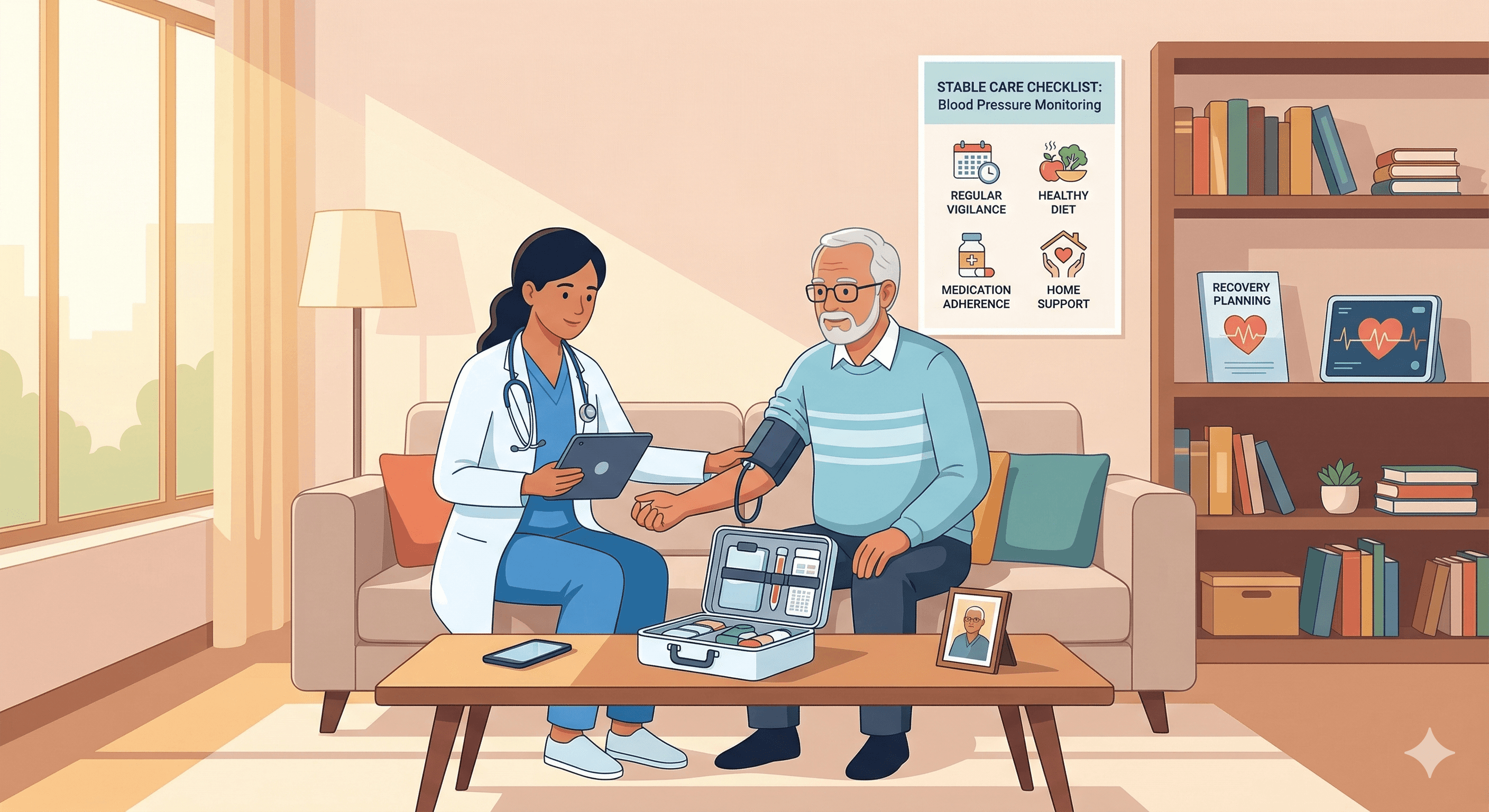
A home care nurse is a licensed medical professional trained to handle clinical tasks. This includes administering medications (oral, injectable, and intravenous), performing complex wound care, monitoring vital signs, and managing medical equipment like catheters and feeding tubes. Their expertise is crucial for any recovery that demands direct medical intervention and close clinical observation, especially for patients needing home nursing care for chronic illness alongside post-operative support.
Nurses bring hospital-level competence to your living room. They've completed rigorous training and hold valid licenses, meaning they understand anatomy, pharmacology, and pathophysiology. They can interpret symptoms and escalate concerns to doctors appropriately. For example, post-heart surgery care requires continuous monitoring of blood pressure and heart rate, a task for which a nurse is uniquely qualified. They ensure correct medication dosages, manage complex wound care with sterile technique, and can identify the early signs of infection.
Warning: Never ask an attendant to perform medical tasks like giving injections or changing sterile dressings. It is illegal, unsafe, and puts your loved one at serious risk.
The compassionate support of a home care attendant
Attendants are the unsung heroes of home recovery. They handle the intimate tasks that patients struggle with after surgery, like showering or getting dressed. The emotional component matters just as much as the physical help. A skilled attendant provides conversation, encouragement, and a sense of normalcy. For surgeries like a hysterectomy recovery, where patients face weeks of lifting restrictions, an attendant becomes essential. They handle daily chores and provide the support needed to prevent falls or other complications, giving family caregivers permission to rest and avoid burnout. You can learn more about what to expect from 24-hour caretaker services to see how they can fit into your family's routine.
When medical expertise is non-negotiable: Opting for a nurse
Certain post-surgical scenarios demand the clinical precision and medical oversight that only a qualified nurse can provide. If the recovery involves complex wound management, multiple medications, medical devices, or high-risk conditions, professional nursing care is essential. Choosing a nurse in these situations ensures complex medical needs are met safely, reducing the risk of complications and hospital readmission.
Some recoveries leave no room for error. When your loved one's life depends on precise medical management, hiring a nurse is not optional. The decision often comes down to risk assessment. Surgeons sometimes specify nursing care in discharge instructions. Listen to them. The money you might save on cheaper care options evaporates quickly if complications force a return to the hospital.
Complex wound management and infection prevention
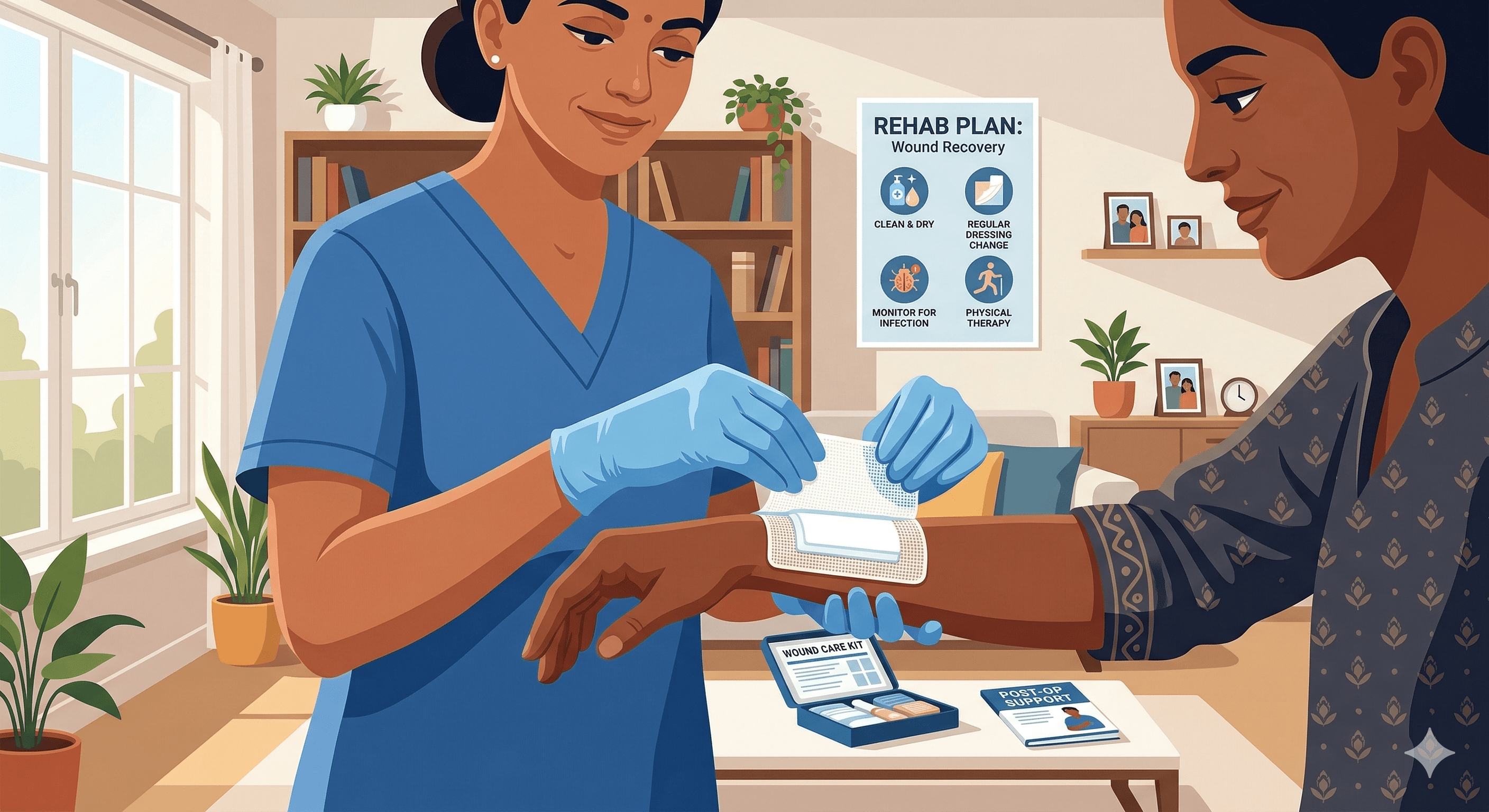
A nurse knows how to open sterile packages without contaminating contents, how to clean wounds without introducing bacteria, and how to secure dressings that protect the site. For complex wounds, like those following major abdominal or orthopedic procedures, nurses coordinate with surgeons on healing progress, catching problems early when they are easiest to treat.
Medication administration and vital sign monitoring
Nurses ensure correct medication dosages, timing, and administration routes while continuously monitoring vital signs like blood pressure, pulse, temperature, and oxygen saturation. This vigilant oversight is critical for patients on complex medication regimens. Post-surgical medication schedules can be bewildering, and a nurse manages this complexity without error.
They also watch for medication side effects and interactions. Vital sign monitoring provides an early warning of complications. A gradual increase in resting heart rate might indicate infection, while dropping blood pressure could signal dehydration. Nurses do not just record numbers; they interpret trends and act on them. For injectable medications like insulin or blood thinners, their technique is essential for safety and comfort.
Managing medical devices and specialized procedures
Nurses are trained to manage medical devices including urinary catheters, ostomy bags, feeding tubes, and intravenous (IV) therapy equipment. They troubleshoot device issues and ensure the continuity of hospital-level care at home. This expertise is essential for patients discharged with medical equipment that requires professional management.
Medical devices can be intimidating for family caregivers. Catheter care prevents urinary tract infections. For patients with ostomies, nurses provide technical care and crucial emotional support. IV therapy at home, whether for antibiotics or hydration, requires nursing expertise to manage lines safely and monitor for complications. Some patients need specialized procedures like wound vacuum therapy, which absolutely require a trained nurse.
The power of daily support: When an attendant shines
Day-to-day comfort and well-being during recovery often hinge on consistent, compassionate non-medical support. A home care attendant provides essential assistance with personal hygiene, mobility, nutrition, and emotional companionship, significantly improving a patient's quality of life. For many stable post-surgical patients, an attendant's support is exactly what is needed for a comfortable and safe recovery.
Not every recovery requires round-the-clock medical intervention. Many patients simply need help with basic activities while their bodies heal. This is where attendants excel. Consider someone recovering from knee replacement surgery. After the first week or two, the primary challenges are practical, not medical. An attendant addresses these daily realities, and the lower cost is a major benefit for families facing a long recovery period. You can explore dedicated attendant care services to understand the specific support they offer.
Assisting with daily living activities and mobility
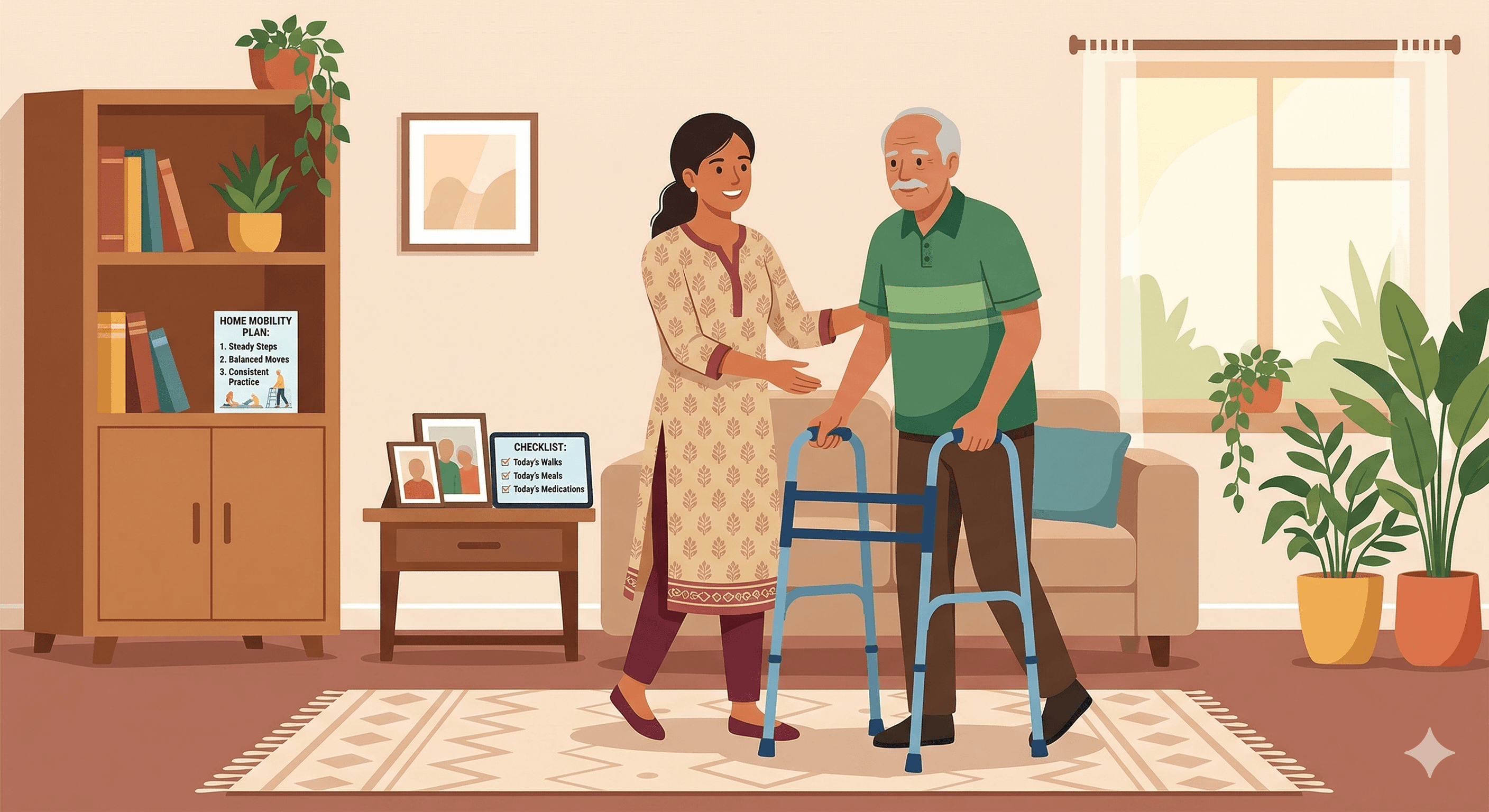
Attendants provide gentle assistance with personal hygiene tasks like bathing, dressing, and grooming. They help with safe transfers from bed to chair, support mobility exercises, and prevent falls and injuries. This hands-on support maintains the patient's dignity while ensuring safety when strength and balance are compromised.
Personal care becomes challenging after surgery. A skilled attendant helps without making the patient feel helpless, encouraging independence where possible. Mobility assistance is crucial for preventing falls, a major risk for post-surgical patients. Attendants use proper transfer techniques and support patients during walking practice, ensuring the environment stays clear of hazards.
Nutritional support and maintaining a comfortable environment
Attendants prepare nutritious meals that meet dietary restrictions, assist with feeding and hydration, and perform light housekeeping to keep the patient's space comfortable and safe. They ensure the recovery environment supports healing, allowing the patient to focus their energy on getting better.
Nutrition fuels healing, but cooking is overwhelming when you are in pain. Attendants bridge this gap by preparing meals that meet medical requirements (low sodium, high fiber, soft foods) while still being appetizing. They also maintain a healing environment by keeping the space clean and organized. These seemingly minor details have a significant impact on the recovery experience.
Emotional companionship and family respite
Attendants offer invaluable companionship and emotional support, alleviating the anxiety and loneliness that often accompany a long recovery. They also provide much-needed respite for family members, helping to prevent caregiver burnout. This emotional dimension of care is essential for holistic healing and family well-being.
Recovery can be boring and isolating. Attendants provide human connection during these long days by engaging in conversation, playing games, or simply sitting with the patient. For family caregivers, an attendant provides guilt-free breaks. You can go to work, run errands, or simply sleep knowing your loved one is safe and cared for. This respite is critical for maintaining your own health and well-being.
Making the right choice: Factors beyond the job description
Making the right choice between a nurse and an attendant isn't always black and white, as the best solution often considers the patient's personality, family dynamics, and financial realities. The goal is to find a holistic fit that supports both the patient and their loved ones through the recovery process.
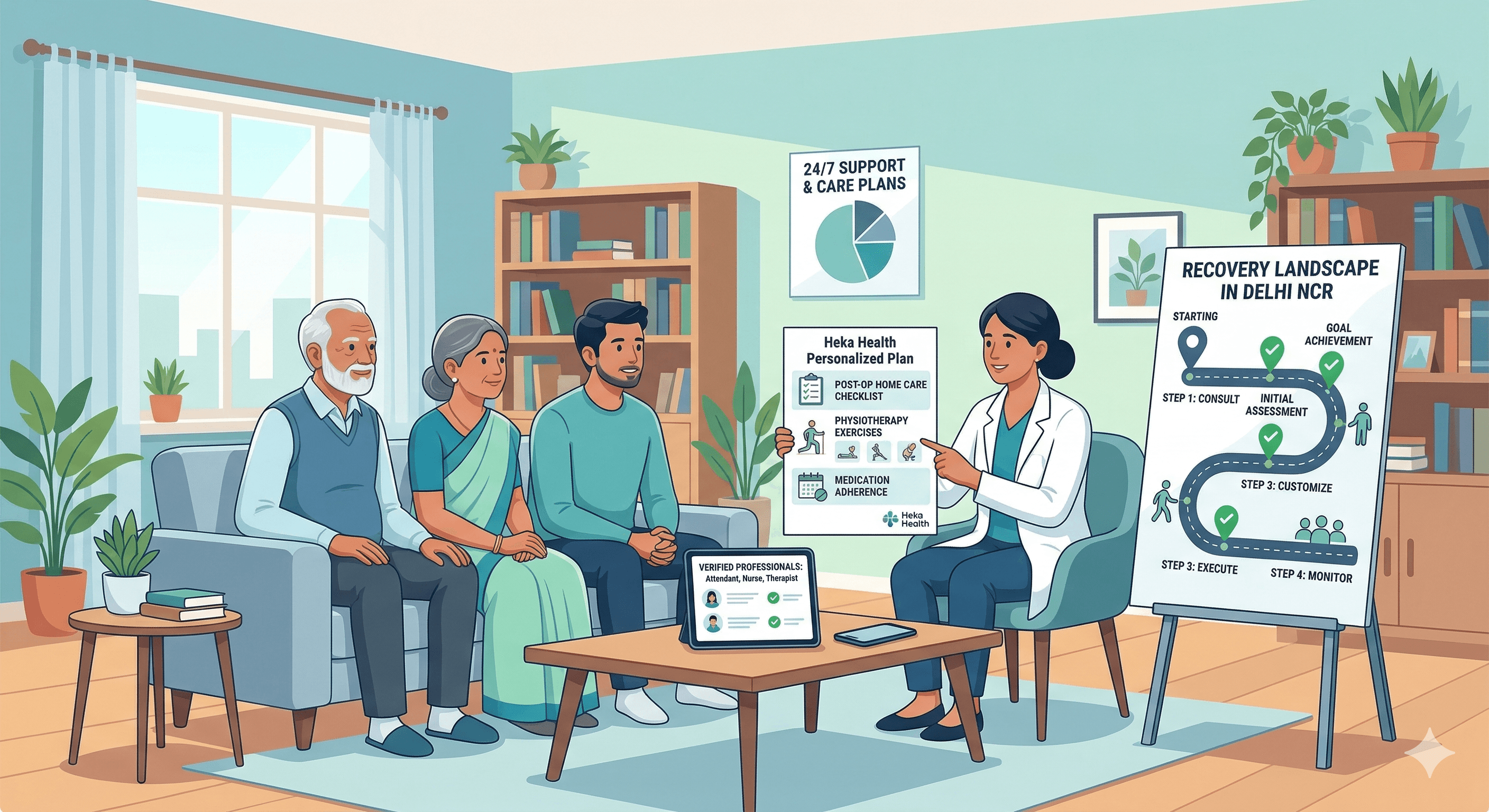
Sometimes, a blended approach is best. You might hire a nurse for a few hours each day to handle medical tasks like wound care and medication, while an attendant provides support for the remainder of the day. This balances expert medical oversight with affordable daily assistance. Thinking about why elderly care at home is important can also provide a broader perspective on creating a supportive environment.
Assessing the patient's specific recovery needs and prognosis
First, consider the complexity of the surgery, the expected recovery timeline, and any pre-existing conditions. A nurse is the right choice for patients with multiple comorbidities or a high risk of complications. For those recovering from minor procedures with a straightforward prognosis, a trained attendant is often sufficient to provide the necessary support for daily activities.
Budgetary considerations and insurance coverage
Next, you must look at the financial aspects. The cost of a registered nurse is typically higher than that of an attendant due to their advanced training and qualifications. It's wise to explore your insurance coverage for home healthcare services, as some policies may cover skilled nursing care. Many providers also offer flexible payment options or blended service packages that can be more cost-effective.
The family's capacity for involvement and support
Finally, honestly assess how much time and energy your family can dedicate to caregiving. If family members can handle basic personal care and companionship, you might only need a nurse for a few hours a day to manage medical tasks. However, if the family is overwhelmed, lives far away, or has demanding jobs, a 24-hour attendant (supplemented by nursing visits as needed) can provide comprehensive support and essential peace of mind.
The Heka Health advantage: Seamless care for your loved ones
At Heka Health, we understand the complexities of post-surgery recovery and the emotional weight that comes with it. We offer both qualified nurses at home and compassionate home care attendant services, tailored to your specific needs in Mumbai and Delhi. Our commitment is to provide 'Heartfelt Trust' and 'Expert Hands' for every family we serve.
We know that finding the right patient care taker can be stressful, which is why we've streamlined the process. Every caregiver in our network is thoroughly vetted, trained, and matched to your loved one's needs and personality. With our 4-hour hiring promise, you can have a qualified professional at your doorstep quickly. Plus, our replacement guarantee ensures that if the fit isn't perfect, we'll find someone who is, ensuring seamless continuity of care. We are your single trusted platform for all home healthcare needs.
Troubleshooting: Common concerns in home care selection
Even with careful planning, families can face challenges when arranging home care. Here are some common concerns and how Heka Health addresses them to ensure a smooth experience.
Caregiver Mismatch: What if the caregiver's personality doesn't click with your loved one? This is a valid concern. At Heka Health, we offer a replacement guarantee. If the match isn't right, we work quickly to find a caregiver who is a better fit, ensuring comfort and trust.
Sudden Changes in Patient Condition: A patient's needs can change unexpectedly. Our nurses are trained to monitor for and respond to these changes, communicating directly with physicians. Our health managers are also available to adjust the care plan as the patient's condition evolves.
Communication Gaps: Clear communication is vital. We establish clear channels between the caregiver, your family, and our support team. With 24/7 health support, you can always reach us with questions or concerns.
Logistical Challenges: Coordinating care can be complex. Our health managers assist in tailoring care plans, scheduling visits, and even arranging for medical equipment rentals to save on home care costs, simplifying the logistics for your family.
Frequently asked questions about post-surgery home care
Here are quick answers to some of the most common questions families have when considering professional home care.
How quickly can Heka Health provide a caregiver?
We understand that care needs can be urgent. Heka Health stands by its 4-hour hiring promise, meaning we can have a qualified and vetted caregiver at your home in Mumbai or Delhi within four hours of your request.
What if the caregiver isn't a good fit for my family?
Your peace of mind is our priority. If for any reason the caregiver is not a good match for your loved one's needs or personality, we offer a replacement guarantee to ensure we find the perfect fit for seamless and comfortable care.
Can I get both a nurse and an attendant?
Yes, absolutely. We specialize in creating customized care plans. Many families benefit from a blended approach where a nurse handles medical tasks for a few hours a day and an attendant provides ongoing personal support.
Are your caregivers verified and trained?
Yes. Every Heka Health professional, whether a nurse or an attendant, undergoes a rigorous vetting process that includes background checks and credential verification. They also receive continuous training to ensure they provide the highest standard of care.
What areas do you serve?
Currently, Heka Health provides comprehensive home healthcare services, including nurse care, attendant care, and more, across the metropolitan areas of Mumbai and Delhi.
Your well-being
is our priority.
Together, let's navigate every step
with care and compassion.

Your well-being
is our priority.
Together, let's navigate every step
with care and compassion.
Your well-being
is our priority.
Together, let's navigate every step
with care and compassion.