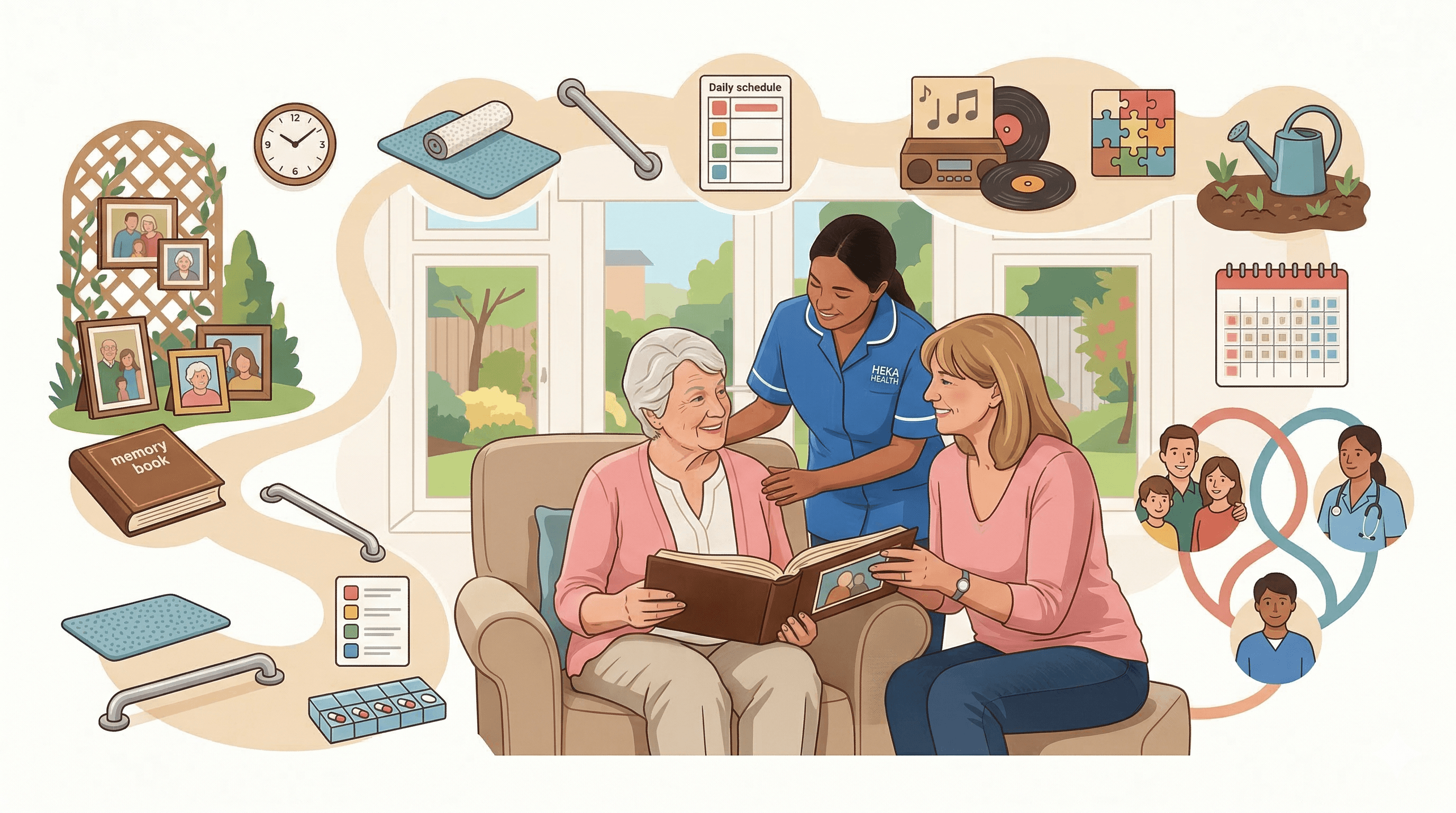
When your mother forgets your name, it marks the beginning of a journey millions of families navigate. With most seniors wanting to remain in their homes, the question isn't whether home-based dementia care matters, but how to do it right.
This guide provides a clear path forward. Dementia care at home combines medical expertise with compassion, allowing your loved one to maintain dignity while receiving support. It’s about preserving the person behind the diagnosis and building an adaptive care plan.
Understanding dementia: more than just memory loss
Dementia is a progressive cognitive decline that interferes with daily life, affecting memory, thinking, and behavior. Unlike mild age-related forgetfulness, dementia is a significant, worsening impairment that impacts the entire family. The word "dementia" is an umbrella term, not a specific disease.
Dementia changes how a person processes information, makes decisions, and interacts with the world, affecting judgment, language, and emotional regulation. The person is still there, but the disease creates barriers to their expression.
What is dementia and how does it progress?
Dementia progresses through early, middle, and late stages. In the early stages, individuals might forget recent conversations, misplace items, or struggle with complex tasks like managing finances. They are often aware of these changes, which can cause anxiety.
Middle-stage dementia brings more pronounced symptoms. Memory gaps widen, confusion increases, and behavioural changes emerge. Help with personal care may be needed, and they may experience mood swings or have difficulty recognising familiar people. This stage often lasts the longest. Late-stage dementia brings severe cognitive decline, limited communication, physical deterioration, and the need for round-the-clock care.
What are the common types of dementia and their unique challenges?
Alzheimer's disease accounts for 60-80% of dementia cases, starting with memory problems and gradually affecting other cognitive functions. Vascular dementia, the second most common type, results from reduced blood flow to the brain and can cause more sudden changes in abilities.
Lewy body dementia brings unique challenges, including visual hallucinations and movement problems similar to Parkinson's disease. Frontotemporal dementia primarily affects personality and behavior, often striking people in their 50s and 60s. Each type requires slightly different care approaches.
The profound benefits of home-based dementia care
Home-based dementia care allows individuals to receive support in familiar surroundings, which reduces confusion and anxiety. This approach often leads to better emotional well-being and can slow the progression of behavioral symptoms.
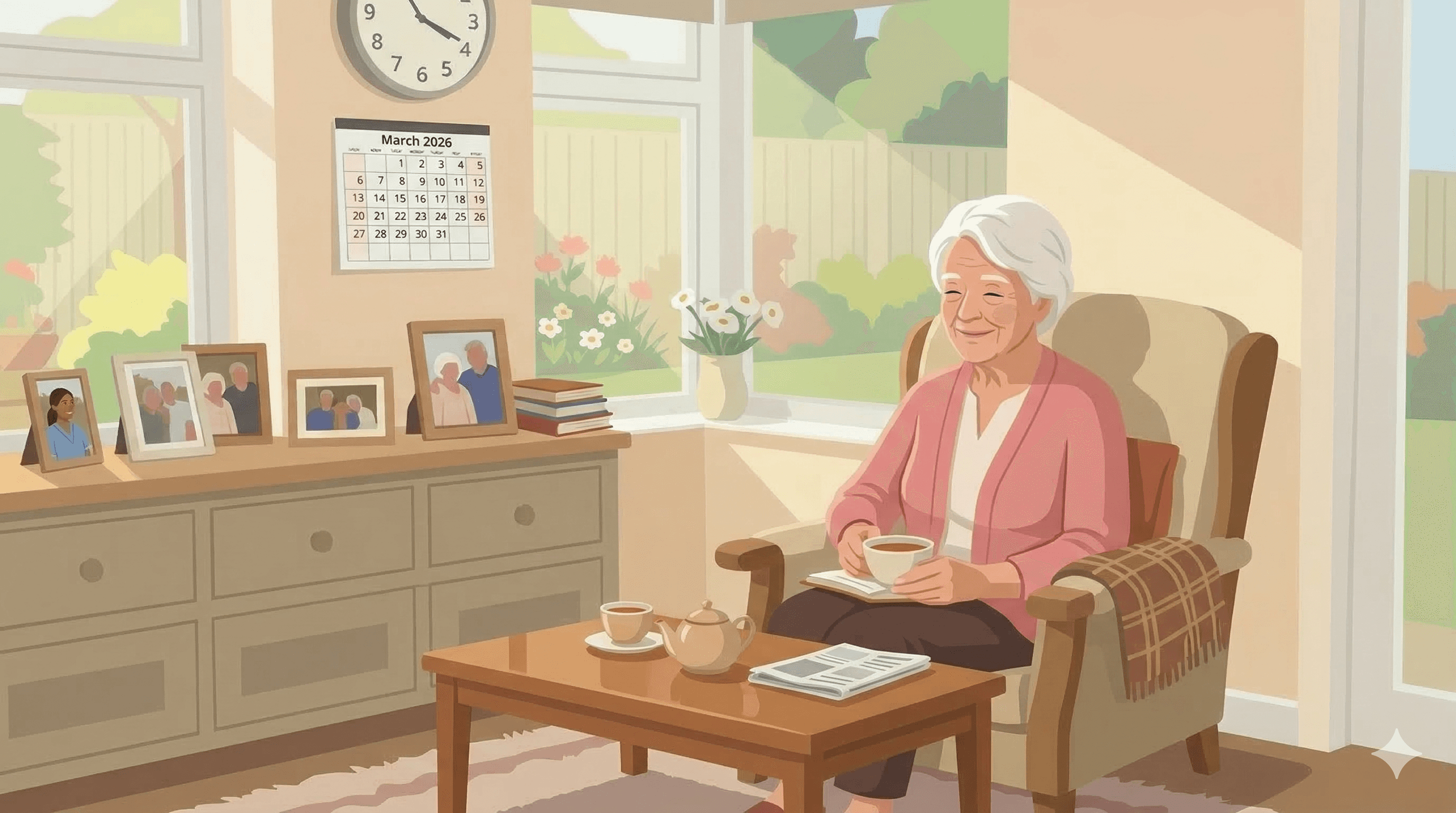
Familiar spaces are therapeutic. The chair where she read, the garden she tended, the photos on the wall, these are anchors to identity and memory. This is why elderly care at home is important for preserving dignity and honoring the life your loved one has built.
How does home care preserve dignity?
Dignity in dementia care means respecting a person's preferences and routines. At home, the environment reinforces their identity. A caregiver can adapt to existing rituals, like morning tea or reading the paper, rather than imposing institutional schedules. Personal care in a private, familiar space reduces embarrassment and resistance.
What is the power of person-centered care?
Person-centered care tailors support to the individual's history, preferences, and abilities, treating them as a person, not a collection of symptoms. Details like a former profession are keys to engagement. A former teacher might respond to being asked for advice; a musician might calm with familiar songs. At home, caregivers use photos, foods, and stories to create connection.
Creating a safe and supportive home environment
A dementia-friendly home removes hazards, reduces confusion, and supports independence through strategic modifications. This includes creating clear pathways, ensuring good lighting, securing dangerous items, and using visual cues for orientation, all while balancing safety with a homelike atmosphere.
The professional home healthcare vs hospital stays debate often highlights the home's adaptability. As dementia progresses, your home will need to evolve. Planning for these changes early makes transitions smoother.
What are essential home modifications for safety?
Start with the bathroom, where most falls occur. Install grab bars near the toilet and in the shower, use non-slip mats, and consider a shower chair. In the bedroom, ensure the bed is at a safe height and use night lights. In the kitchen, lock away sharp knives and harmful substances, and consider an automatic stove shut-off. Throughout the home, remove throw rugs and clutter to create clear pathways.
How can you design a calming and stimulating space?
A calming environment uses soft, natural lighting and reduces noise and clutter. Incorporate familiar objects and photographs to create a "memory corner." Avoid busy patterns on floors or walls, which can be confusing. Music is a powerful tool; create playlists of songs from their youth to calm agitation. Position chairs near windows or provide safe access to a garden for natural light.
Daily strategies for effective dementia care
Effective daily dementia care relies on consistent routines, clear communication, and engaging activities tailored to the person's abilities. These strategies reduce anxiety, maintain cognitive function, and enhance quality of life through a structured yet flexible daily rhythm.
Why are predictable routines important for stability?
Predictable routines reduce decision-making demands and lower anxiety. Consistent times for waking, meals, activities, and bedtime create a familiar sequence that builds automatic patterns, which persist as memory fades. Meal times, in particular, anchor the day and provide structure.
How can you master communication for a deeper connection?
Communication requires patience and simplicity. Speak slowly in short sentences, maintain eye contact, and allow time for processing. Your tone and body language often communicate more than words. Avoid asking "Do you remember?" which can cause frustration; instead, share the memory yourself. A gentle touch or warm smile can convey respect and care.
What are some engaging activities for well-being?
Engaging activities should match current abilities and provide a sense of purpose.
Music: Songs from a person's youth often remain accessible. Singing together or listening to favorite albums can lift mood and reduce agitation.
Simple Tasks: Folding towels, sorting buttons, or helping prepare simple foods engage the hands and mind, providing a sense of capability.
Gentle Exercise: A daily walk, stretching, or dancing to music maintains physical health, improves sleep, and reduces behavioral symptoms.
Sensory Activities: A basket of textured fabrics, scented lotions for a hand massage, or a pet to stroke can provide comfort without requiring complex thinking.
Navigating challenging behaviors with empathy
Challenging behaviors like agitation or wandering are often expressions of an unmet need or confusion, not defiance. The key is to understand the underlying cause and respond with empathy. When a behavior emerges, investigate potential triggers: Is your loved one in pain, hungry, overstimulated, or frightened? The behavior is a message to be decoded.
How can you decipher the messages behind behaviors?
Common triggers include physical discomfort (like a UTI), environmental factors (too much noise or light), and unmet emotional needs. Pain can cause sudden confusion or aggression. By ruling out physical causes and assessing the environment, you can often find and address the root cause.
What are some compassionate responses and de-escalation techniques?
When a loved one is agitated, stay calm. Use a soft, reassuring tone and don't argue or reason. Instead, validate their feelings ("I can see you're upset") and gently redirect them to a pleasant activity like music or a photo album. A change of scenery can also help de-escalate the situation.
What are common pitfalls to avoid in behavior management?
A primary mistake is taking behaviors personally or using logic to correct a person's reality. Arguing will only increase frustration. Another pitfall is overstimulation; trying to do too much can lead to agitation. Finally, ignoring your own well-being is a critical error. A stressed, tired caregiver cannot provide effective support.
The invaluable role of professional home caregivers
Professional home caregivers provide expert support when family can no longer manage alone. These trained professionals offer specialized services, from personal care and medication reminders to companionship and skilled nursing, ensuring safety, enhancing quality of life, and providing much-needed respite for family.
Heka Health provides verified professionals, a 4-hour hiring promise, and a replacement guarantee, offering peace of mind. Whether you need compassionate attendant care for daily support or skilled nurse care at home for complex medical needs, professional help can transform the care journey.

When does professional support become essential?
Signs you need professional help include caregiver burnout (constant exhaustion), needs exceeding your abilities (e.g., transfers, complex medical issues), and increased safety concerns like falls or wandering.
What should you look for in a qualified dementia caregiver?
A qualified caregiver needs specific dementia training and experience. They should be patient, empathetic, and a good communicator who understands person-centered care and compassionate behavior management. A reputable agency will conduct background checks, verify credentials, and provide ongoing training.
Prioritizing caregiver well-being: a sustainable approach
Sustainable dementia care requires caregivers to prioritize their own health to avoid burnout. You cannot pour from an empty cup. Seeking support through respite care, support groups, and self-care is essential for providing consistent, long-term care.
How can you recognize and prevent caregiver burnout?
Burnout manifests as emotional and physical exhaustion, detachment, and a reduced sense of personal accomplishment. You might feel irritable, have trouble sleeping, or get sick more often. To prevent it, set realistic expectations, ask for help, and don't be afraid to say no to extra demands. For more resources, visit trusted sites like the Alzheimer's Association and Alzheimers.gov.
What are some strategies for self-care and finding respite?
Schedule regular breaks, even for an hour, for activities you enjoy. Professional respite care offers longer breaks to recharge. Maintain your health with proper nutrition, exercise, and sleep. Joining a support group provides emotional validation and practical advice.
Medical management and future planning for dementia care
Effective home care involves medical oversight (medication management, health monitoring) and proactive legal/financial planning. While there's no cure, managing symptoms and co-existing conditions is crucial for quality of life. Future planning honors your loved one's wishes and reduces family stress.
This is particularly true for those with complex needs, where home nursing care for chronic illness can provide the necessary medical supervision in a comfortable setting.
How can you ensure effective medication and health monitoring?
Use a pill organizer and chart to track medications, with daily alarms as reminders. Report side effects to the doctor immediately. Regular check-ups are vital for monitoring dementia progression and other health issues. Keep a health journal to note changes in behavior, appetite, or sleep for the medical team. For more information, consult resources from the National Institute on Aging (NIA).
How can technology enhance safety and communication?
Assistive technology improves home safety. Personal emergency response systems (PERS) with fall detection offer immediate help. GPS trackers provide peace of mind if wandering is a concern. Smart home devices can automate lighting and reminders, while video calls help your loved one stay connected with distant family and friends.
Frequently asked questions about dementia care at home
What are the early signs of dementia?
Early signs often include memory loss that disrupts daily life, difficulty planning or solving problems, trouble completing familiar tasks, confusion with time or place, and changes in mood or personality.
How much does professional dementia home care cost?
Costs vary based on location, the level of care needed (attendant vs. skilled nursing), and the number of hours required. Reputable agencies provide transparent pricing and can help create a care plan that fits your budget.
Can a person with dementia live alone?
In the very early stages, some individuals can live alone with support systems in place. However, as the disease progresses and affects judgment and safety, living alone becomes unsafe. A professional assessment can help determine the right time for 24/7 supervision.
What is the difference between Alzheimer's and dementia?
Dementia is the general term for a decline in mental ability severe enough to interfere with daily life. Alzheimer's is the most common cause of dementia. Think of dementia as the category and Alzheimer's as a specific disease within it.
How can I find reliable dementia caregivers?
Look for established home care agencies with a focus on dementia training. Read reviews, ask for references, and ensure they conduct thorough background checks. For a trusted and fast solution, you can contact Heka Health to connect with a verified caregiver in as little as four hours.
Embracing a journey of compassionate and expert care
Dementia care requires a blend of love, patience, and professional expertise. By creating a safe environment, establishing routines, and responding with empathy, you can provide the highest quality of life for your loved one at home.
Combining family love with professional support creates the strongest foundation for care. If you're ready to explore expert help, reach out to a trusted home care partner to ensure your loved one receives the dignified care they deserve at home.
Your well-being
is our priority.
Together, let's navigate every step
with care and compassion.

Your well-being
is our priority.
Together, let's navigate every step
with care and compassion.
Your well-being
is our priority.
Together, let's navigate every step
with care and compassion.